
Last updated November 15, 2026
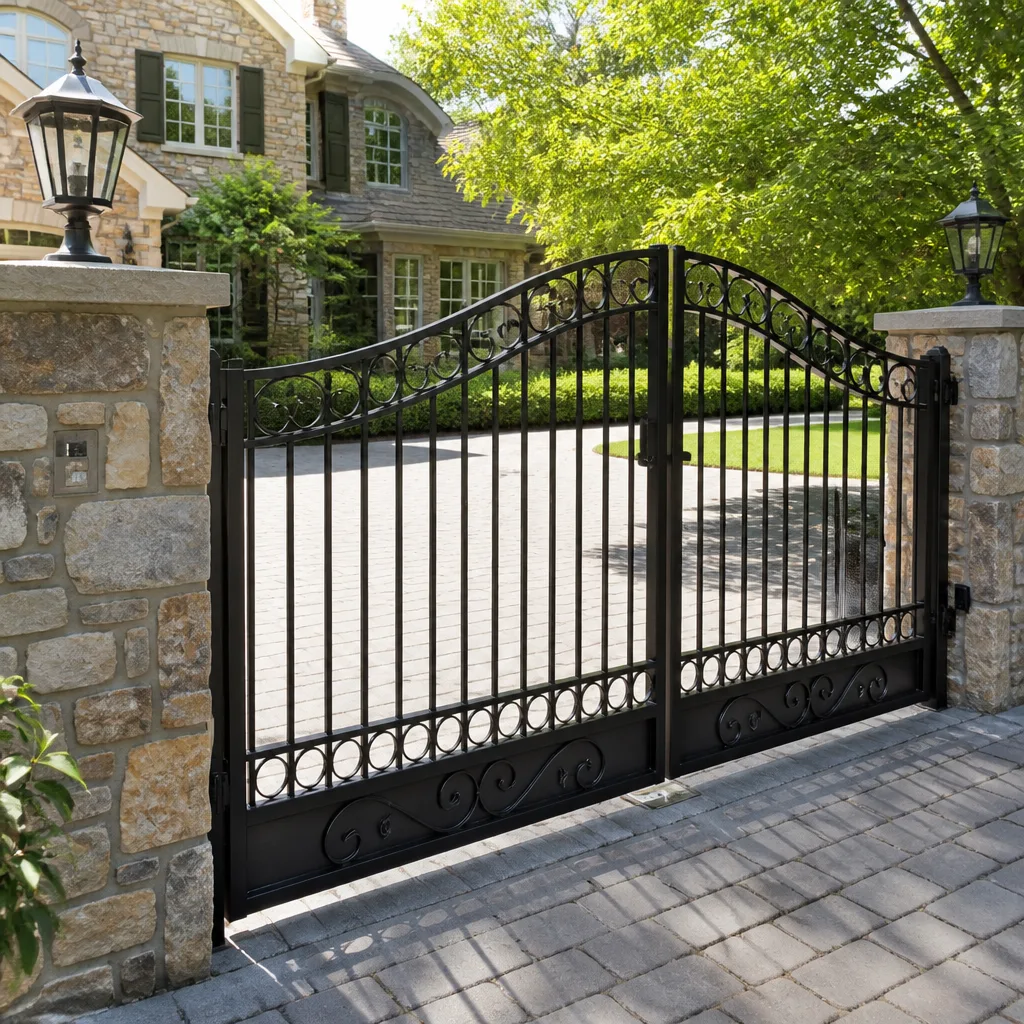 Wrought iron
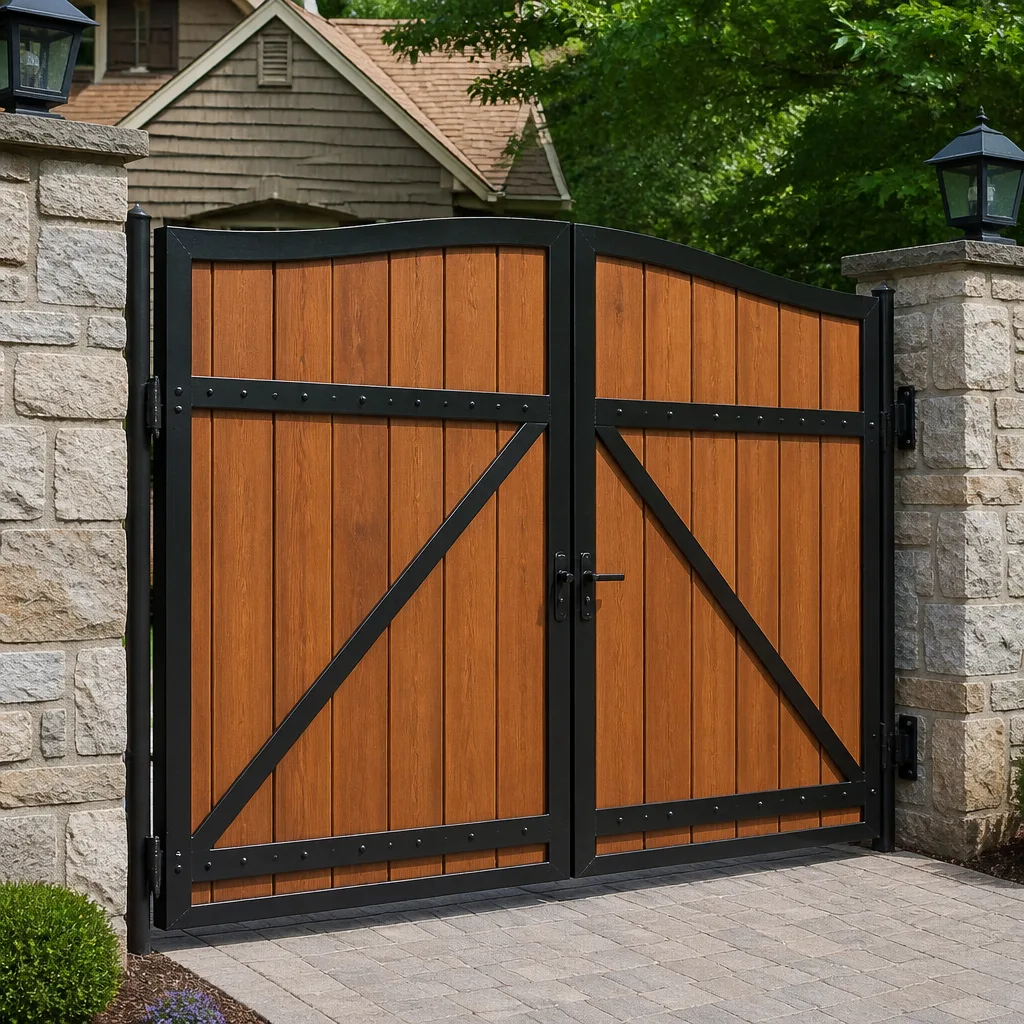 Wood & steel frame
 Farm & ranch
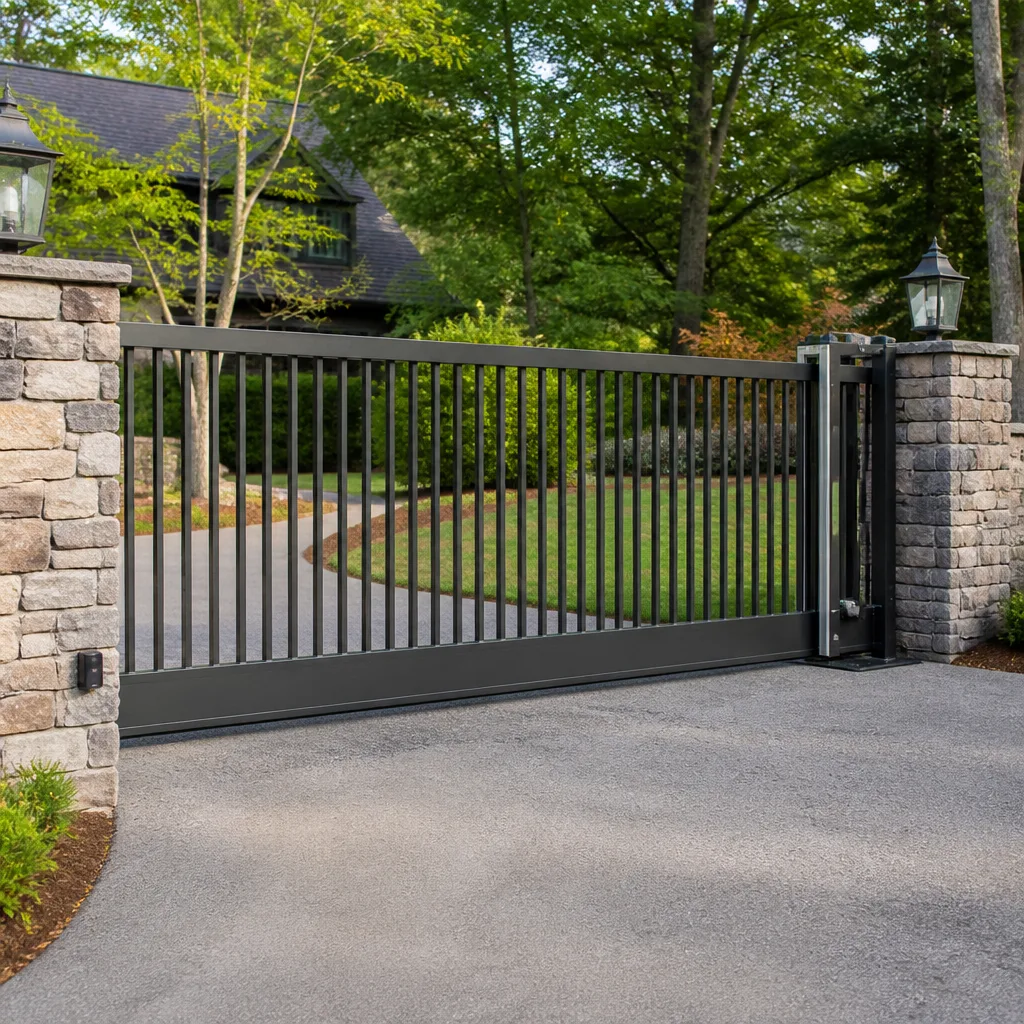 Sliding driveway gates
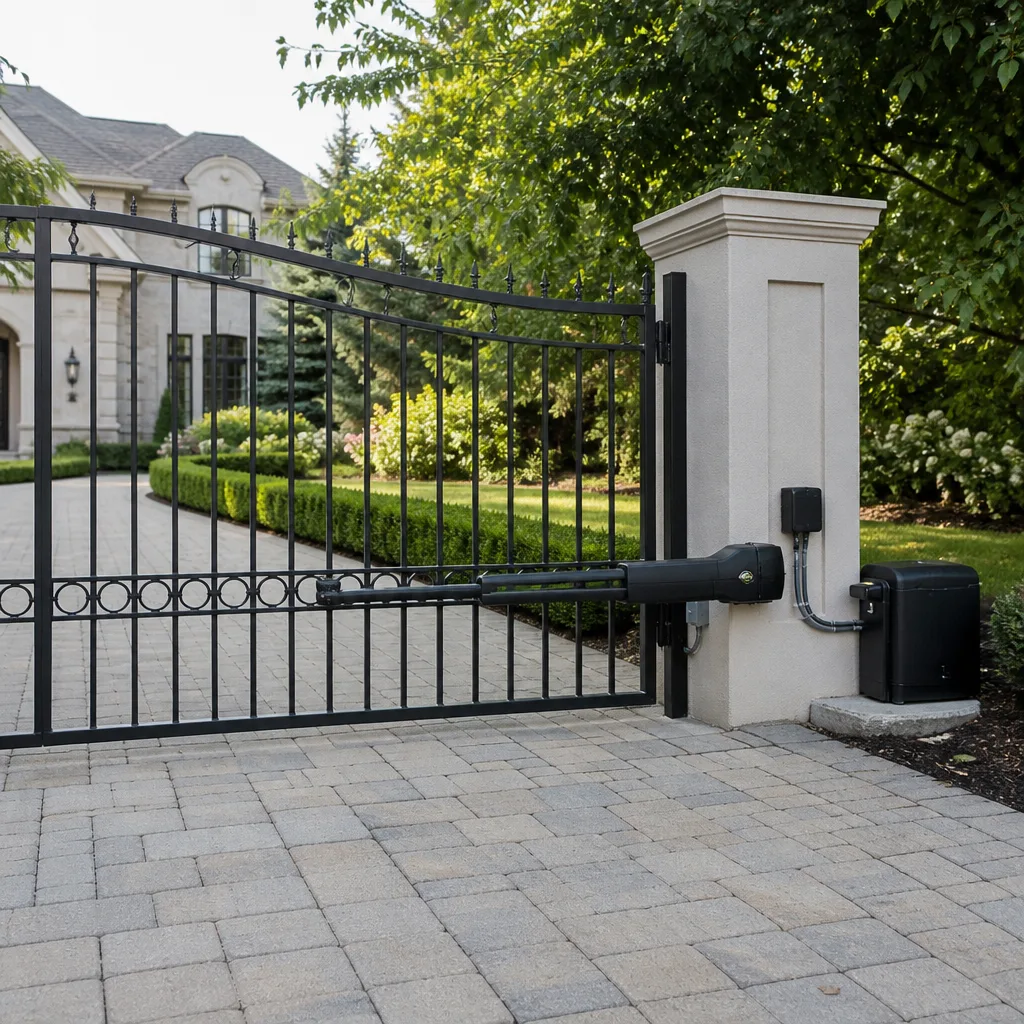 LiftMaster operators
Free on-site gate assessment - hinges, posts, and your LiftMaster or Nice gate operator checked before anything is quoted
The assessment is free and the quote is the invoice.
Get your free estimateGate Repair Cost Breakdown: The Ventura Homeowner’s Reference for 2026
Most gate repair quotes in Ventura are written around a symptom, not a cause. A gate that won’t open gets a price for a motor; a gate that drags gets a price for a hinge. The trouble is that the same complaint can come from a dead control board, a slipped chain, a bent post, or a sensor knocked a quarter inch out of line, and those four fixes live in completely different price brackets. Homeowners end up comparing three numbers that aren’t quoting the same thing. This guide exists to fix that. Below you’ll find typical 2026 cost ranges for the repairs we see most in Ventura, what pushes each one up or down, and how to read a quote so you know whether the middle bid is fair, padded, or scoped too thin to last.
Quick Answer
Gate repair in Ventura typically runs from about $150 for a hinge, roller or sensor adjustment to roughly $1,800 for a full commercial operator replacement, with most residential repairs landing between $250 and $650. The final price depends on the operator brand, how accessible the gate and its wiring are, and whether the fix is a part swap or a diagnosis that has to trace an electrical fault. Every price here is an estimate; the written quote you receive after an on-site look sets the real number, and you approve it before any work starts.
Styles & brands we work with
- Wrought iron
- Wood & steel frame
- Farm & ranch
- Sliding driveway gates
- LiftMaster operators
Table of Contents
- What Does Gate Repair Cost in Ventura? The 2026 Ranges
- The 10 Most Common Repairs and What Drives Their Price
- The Real Cost of Deferred Repair
- How to Read a Quote: Is It Scoped for the Actual Problem?
- Ventura Cost Factors: Travel, Hardware, and Permits
- Why the Operator Brand Changes the Price
- What You Can Check Yourself and What You Shouldn’t Touch
- Frequently Asked Questions
What Does Gate Repair Cost in Ventura? The 2026 Ranges
Here is the short version, organized by repair type. These ranges cover the part and the labor together for a typical residential swing or slide gate. Automated systems and heavy commercial gates sit at the upper end or above, because the operator, the control board, and the safety devices all add cost and complexity.
| Repair Type | Typical Estimated Range | What Usually Sets the Price |
|---|---|---|
| Hinge replacement | $150 – $350 | Number of hinges, gate weight, welded vs. bolt-on |
| Control board replacement | $300 – $700 | Brand, board availability, whether remotes need reprogramming |
| Operator (motor) replacement | $700 – $1,800 | Residential vs. commercial operator, gate weight, power run |
| Sensor realignment or replacement | $150 – $400 | Photo-eye vs. safety loop, buried wire condition |
| Intercom or keypad repair | $200 – $550 | Unit type, wiring, integration with the operator |
| Wiring repair | $200 – $800 | Length of run, buried vs. conduit, access |
| Wheel / roller replacement | $150 – $400 | Number of wheels, track condition, gate weight |
| Post realignment | $350 – $900 | Concrete work, footing reset, gate size |
| Battery backup | $250 – $600 | Battery type, operator compatibility |
| Welding / structural repair | $250 – $800 | Material, extent of the break, finish work |
Notice how wide the spread is. That’s the core problem with shopping this work by phone. Two homeowners with the same complaint, a gate that opens halfway and stops, can land on opposite ends of the table because one has a tired battery and the other has a failing control board. The price isn’t the repair category; it’s the diagnosis behind it.
The 10 Most Common Repairs and What Drives Their Price
Every repair has a “why” behind its price band. Understanding these lets you hear a quote and immediately know whether the number is grounded or just a guess.
1. Hinge replacement
Swing gate hinges take the full weight of the gate every time it moves. A hinge that’s worn will let the gate sag, drag, and eventually stress the operator. Labor is straightforward, but a heavy steel gate on welded hinges takes more time than a light ornamental aluminum one. This is one of the cheapest repairs on the list and one of the most important to do early.
2. Operator (motor) replacement
The largest single line item. A residential swing or slide operator from a brand like Ghost Controls or Mighty Mule sits at the low end. A commercial-grade operator from FAAC, BFT, or DoorKing pushes toward the top because the unit is heavier, the wiring is more involved, and the safety devices multiply. If the existing power run is undersized or the mount needs reworking, expect the upper end of the range.
3. Control board replacement
The board is the brain of the operator and the most common culprit behind erratic behavior: a gate that reverses randomly, ignores remotes, or runs in one direction only. Price tracks brand availability. Common brands are easier to source a board for; less common ones can add lead time.
4. Sensor realignment or replacement
Photo-eyes and safety loops stop the gate when they sense an obstruction. A sensor knocked out of line by a car bumper or shifted by ground movement is a quick fix. A failed safety loop buried in the driveway is a longer job that involves tracing and sometimes replacing buried wire.
5. Intercom and keypad repair
Access control devices live outdoors and take a beating. A dead keypad or an intercom with no audio is usually a wiring or connection issue, occasionally a failed unit. Cost depends on whether we’re repairing the existing device or replacing it.
6. Wiring repair
Low-voltage control wire and higher-voltage power wiring both fail. Rodent damage, moisture intrusion at a splice, and simple age all cause it. Buried runs in conduit are easier to repair than direct-burial wire, and the length of the run matters.
7. Wheel and roller replacement
Slide gates ride on wheels or rollers along a track. Worn wheels make the gate drag, which the operator fights against and eventually fails trying to overcome. Replacing wheels is cheap; ignoring them is what turns a wheel job into an operator job.
8. Post realignment
When a gate post shifts, the whole gate leans and binds. This is the repair that involves concrete, and concrete is what pushes the price. It’s also the repair most often mistaken for an operator problem, because a gate hanging off a shifted post won’t run true no matter what motor you bolt to it.
9. Battery backup
A battery backup keeps the gate working through a power outage. When the battery ages out, the gate may fail to open during an outage or behave unpredictably. Cost depends on the operator and the battery type.
10. Welding and structural repair
Cracked frames, broken hinge mounts, and bent hardware call for welding. The price follows the extent of the break and the finish work needed afterward to keep the gate looking right.
The Real Cost of Deferred Repair
This is the part of the breakdown that saves people the most money, and it’s the part almost nobody explains. Repairs on a gate compound. A small problem left alone doesn’t stay small; it loads the next component in the chain until that one fails too.
Picture the typical progression. A gate starts dragging a little because a wheel is worn or a hinge has loosened. That’s a modest alignment or hardware repair. The operator, which was designed to move a freely swinging gate, now has to overcome friction on every cycle. The motor runs hotter, the control board sees more current draw, the drive components wear faster. Six months later the same gate needs a rack-and-pinion replacement or a new operator, because the original small fault was allowed to strain the whole system.
- The alignment stage: gate drags or scrapes, a sensor is slightly off, a hinge is loose. Small money, quick fix.
- The strain stage: the operator works harder than it should. No new symptom yet, but wear is accelerating.
- The component-failure stage: the operator or drive hardware fails outright. Now you’re paying for the original repair plus the component that failed because of it.
We see this constantly in Ventura, where a lot of gates are older and homeowners assume a slow-dragging gate is just how it is. It isn’t. A dragging gate is telling you something is wrong, and the price of listening early is almost always lower than the price of waiting.
How to Read a Quote: Is It Scoped for the Actual Problem?
A quote is only useful if it names the cause, not just the symptom. The single best question you can ask any contractor is: “What did you find that makes you confident this fix solves it?” A specialist can answer that with specifics. A generalist will hedge.
Here’s how to evaluate what you’re handed:
- It names the failed part and the reason. “Control board replacement because the board is sending reverse signal on every cycle” tells you something. “Motor repair” tells you nothing.
- It separates parts from labor. You should be able to see what the part costs and what the labor costs. Lumping them into one line makes it impossible to judge fairness.
- It accounts for what’s adjacent to the failure. If the operator is being replaced, does the quote address the sensors, the wiring, and the gate’s mechanical condition? A new motor bolted to a dragging gate is money wasted.
- It matches the repair to the diagnosis. Be wary of a quote that jumps straight to the biggest possible fix without explaining why the smaller ones won’t work.
- It’s written, not verbal. The price quoted and agreed before work starts is the price. Get it in writing so there’s no drift between the conversation and the invoice.
Why does this matter so much on a gate specifically? Because gates are a niche. A general handyman or a garage-door company that handles gates on the side will often scope to the minimum billable work: fix the obvious symptom, get paid, move on. A gate-only specialist diagnoses the whole system, which sometimes means the honest answer is a smaller repair than you feared, and sometimes means the real fix is bigger than the symptom suggested. Both answers are worth paying for. The point is to know which one you’re getting.
Ventura Cost Factors: Travel, Hardware, and Permits
Cost isn’t just the part and the labor. Where you are in Ventura, and what’s around your gate, changes the number. A few local realities worth knowing.
Access and travel time
Gates on hillside properties, behind long driveways, or down narrow streets take more time to reach and more effort to work on. That time is part of the job. A gate tucked into a tight space where a truck can’t easily pull up costs more to service than one on a wide, flat drive, purely because every trip to the truck adds minutes. When you ask for an estimate, describe the access honestly; a surprise on arrival is how quotes get revised.
Hardware condition
Older gates in Ventura often carry hardware that’s been repaired several times over. Bolts that won’t budge, hinges that are welded rather than bolted, and frames with old field repairs all add time. The part may be cheap; getting to it may not be. A specialist will factor this in up front rather than discovering it mid-job.
Permits when they apply
Most repairs don’t require a permit. New installation, significant structural changes, and certain electrical work may. Permit requirements vary, so ask your city’s building department what applies to your specific project before you commit. A good contractor won’t dodge the question. If a permit is needed, it’s a cost of doing the job right, not a cost you should try to skip.
For a sense of how the full picture comes together across the city, our Ventura page lays out the kinds of properties and gate systems we work on. If you want the repair itself explained in detail, the gate repair page covers what’s involved in diagnosis and repair, and the electric gate repair page goes deeper on automated systems, motors, control boards, and safety devices.
Why the Operator Brand Changes the Price
An operator is not a generic box. Each brand has its own control logic, its own parts ecosystem, and its own failure patterns. Knowing a brand cold means diagnosing faster and quoting more accurately, because you’re not learning the system on your time.
The spread in Ventura is wide. On the residential side, brands like Ghost Controls and Mighty Mule are common on homeowner-installed swing gates. On the commercial side, FAAC, BFT, and DoorKing operators run gates at apartment complexes, HOAs, and commercial properties. Viking and Linear sit in the mix across residential and light commercial work. LiftMaster and Elite round out the range we handle.
- Residential-grade operators tend to be more affordable to repair and replace, with parts that are easier to source.
- Commercial-grade operators cost more across the board, because the units are heavier, the safety requirements are greater, and the wiring is more involved.
- Brand availability affects lead time. A common brand’s control board may be on the shelf; a less common one may need to be ordered, which pushes the repair to a scheduled visit rather than a same-day fix.
This is why “we work on your brand” isn’t a slogan for us. Our technicians have up to 8 years of experience, and every tool and part we source is around gate systems specifically. We’re familiar with nine of the leading operator brands, which means when you call about a DoorKing that won’t close or a Ghost Controls arm that won’t retract, you’re talking to someone who’s been inside that system before. That’s the difference between a diagnosis and a guess.
What You Can Check Yourself and What You Shouldn’t Touch
Some gate issues are genuinely a homeowner check. Others are genuinely dangerous. Knowing the line between them keeps you safe and keeps you from turning a small repair into a large one.
Safe to check yourself:
- Whether the gate swings freely by hand with the operator disengaged. If it drags, that’s a mechanical or alignment issue.
- Whether the photo-eyes are clean and aimed at each other. A leaf or a spider web across a lens causes a lot of phantom faults.
- Whether the gate track is clear of debris, leaves, and gravel.
- Whether the gate physically leans or sits unevenly at rest, which points to a post or hinge issue.
- Whether the battery backup is holding a charge, if your operator has one and the test is simple.
Not safe to touch: the operator’s internal wiring, the control board, the power feed to the gate, and anything involving the safety loop buried in the ground. Gate operators run on line voltage, and a gate panel is heavy enough to crush. Any diagnosis that requires opening the operator housing or tracing electrical faults belongs to a trained professional. We’re not going to walk you through that work over the phone; we’re going to send someone who’s done it before. That’s not gatekeeping, it’s the same reason you don’t rewire your own panel. Some parts of this trade can hurt you, and those are the ones to leave alone.
Common Mistakes to Avoid
- Choosing the middle bid because it’s in the middle. Three bids only help if all three are scoped to the same diagnosis. Ask each contractor what they found and why their fix addresses it. Two sentences
That last one got cut short, so here’s the full list properly:
- Choosing the middle bid because it’s in the middle. Three quotes only help if all three are scoped to the same diagnosis. Ask each contractor what they found and why that fix addresses it. The cheapest quote for the wrong repair is the most expensive one you’ll pay.
- Ignoring a dragging gate. A gate that drags is straining its operator every time it moves. The drag is the cheap repair; the operator failure that follows is the expensive one. Address it early and you skip the second bill entirely.
- Assuming the motor is the problem. A great many “the motor is dead” calls turn out to be a sensor, a battery, a control board, or a gate that’s physically binding. Replacing a motor that was never the issue is the classic overspend on a gate.
- Hiring a generalist because they’re convenient. A handyman or garage-door company that handles gates occasionally will scope to the minimum. A gate-only specialist diagnoses the whole system, which is faster and usually cheaper once you count the second visit a bad first fix causes.
- Not mentioning the access. If your gate is down a long driveway or behind a tight turn, say so when you book. Access is a real cost factor, and an estimate that assumes easy access will get revised on arrival.
- Skipping the permit question. For any new installation or structural change, ask your city’s building department what applies. Assuming no permit is needed can cost more than the permit would have.
- Skipping the written estimate. A verbal price is not a price. Get the number in writing, with parts and labor separated, and confirm it covers the actual diagnosis before anyone starts work.
See the difference
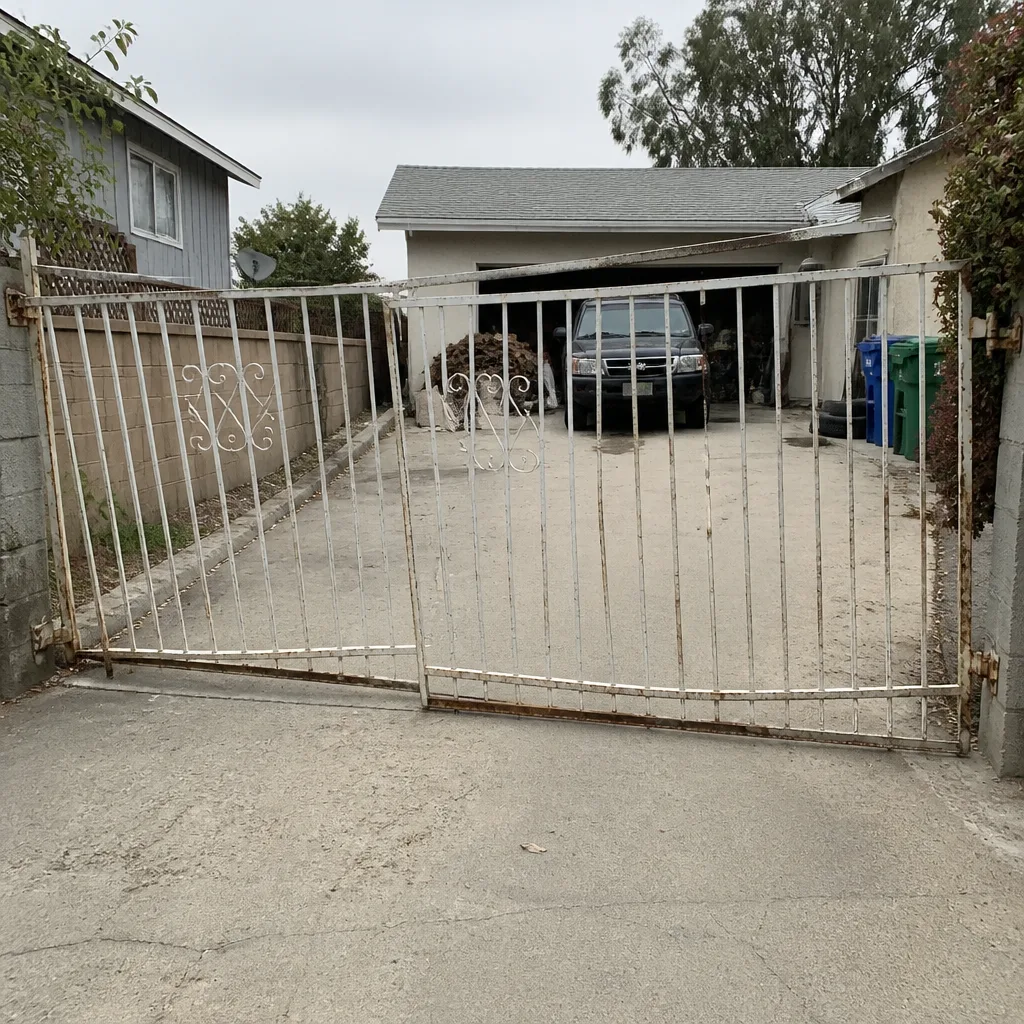 Before
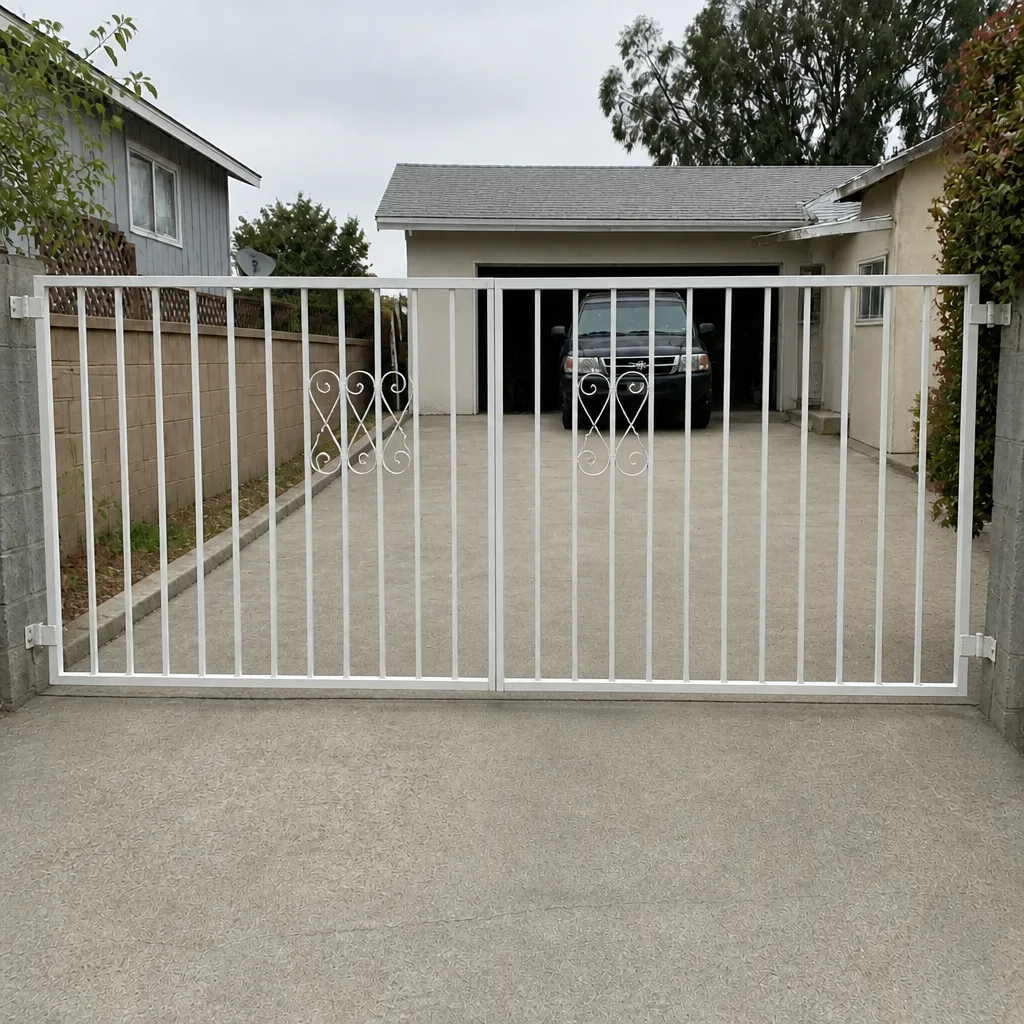 After
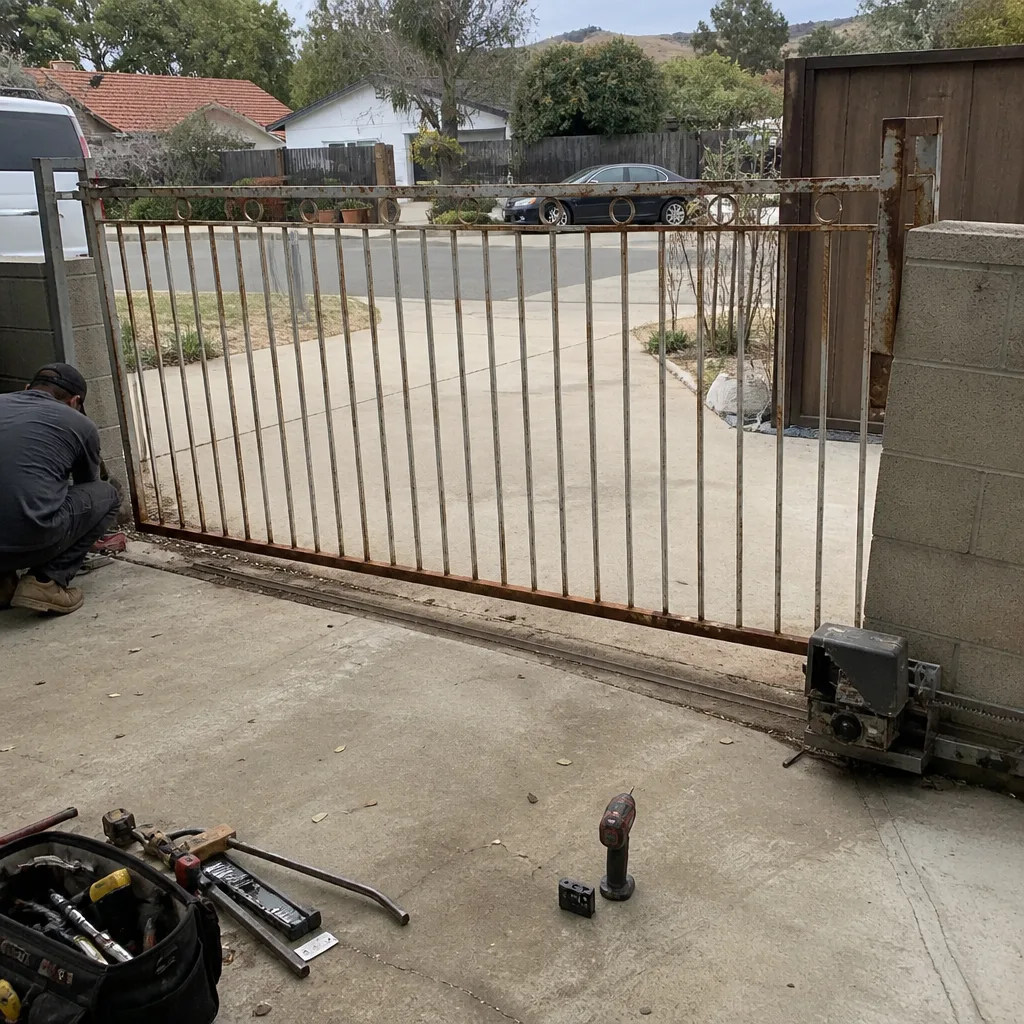 Before
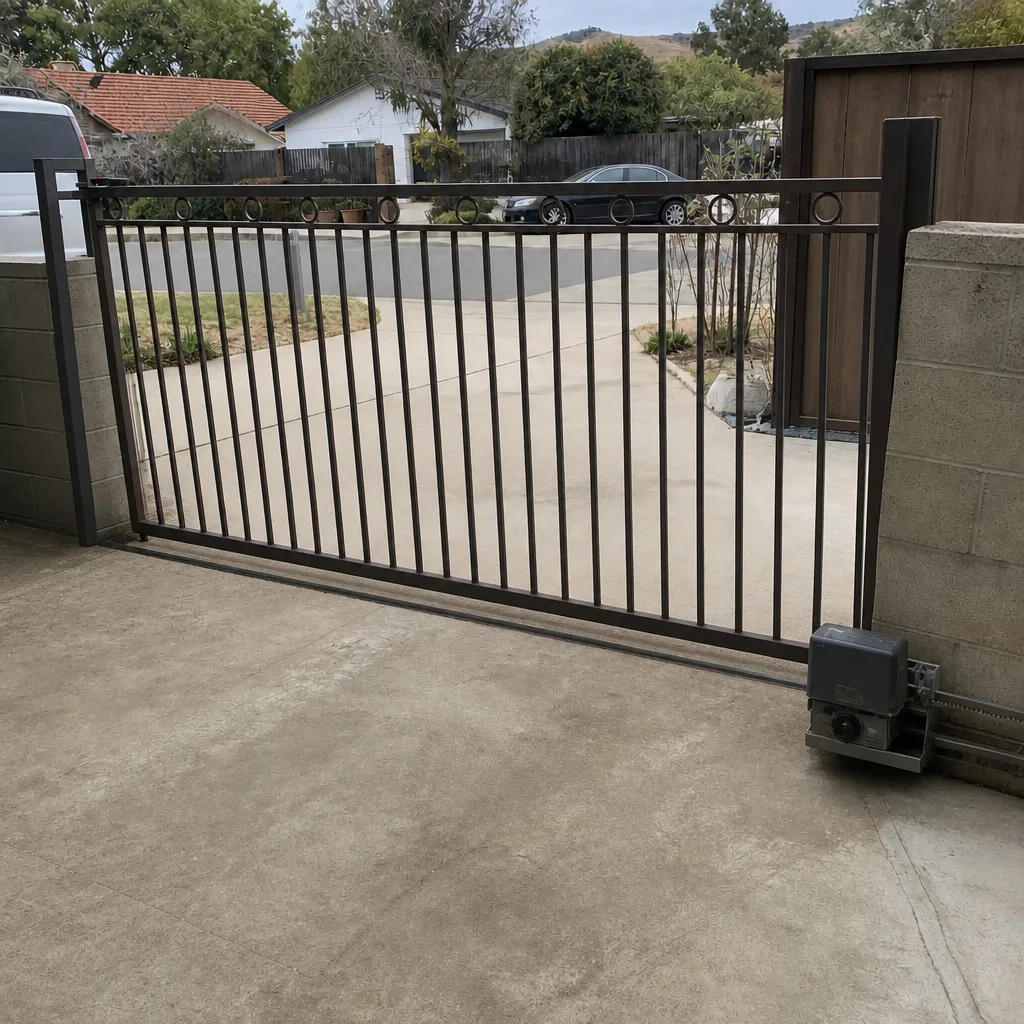 After
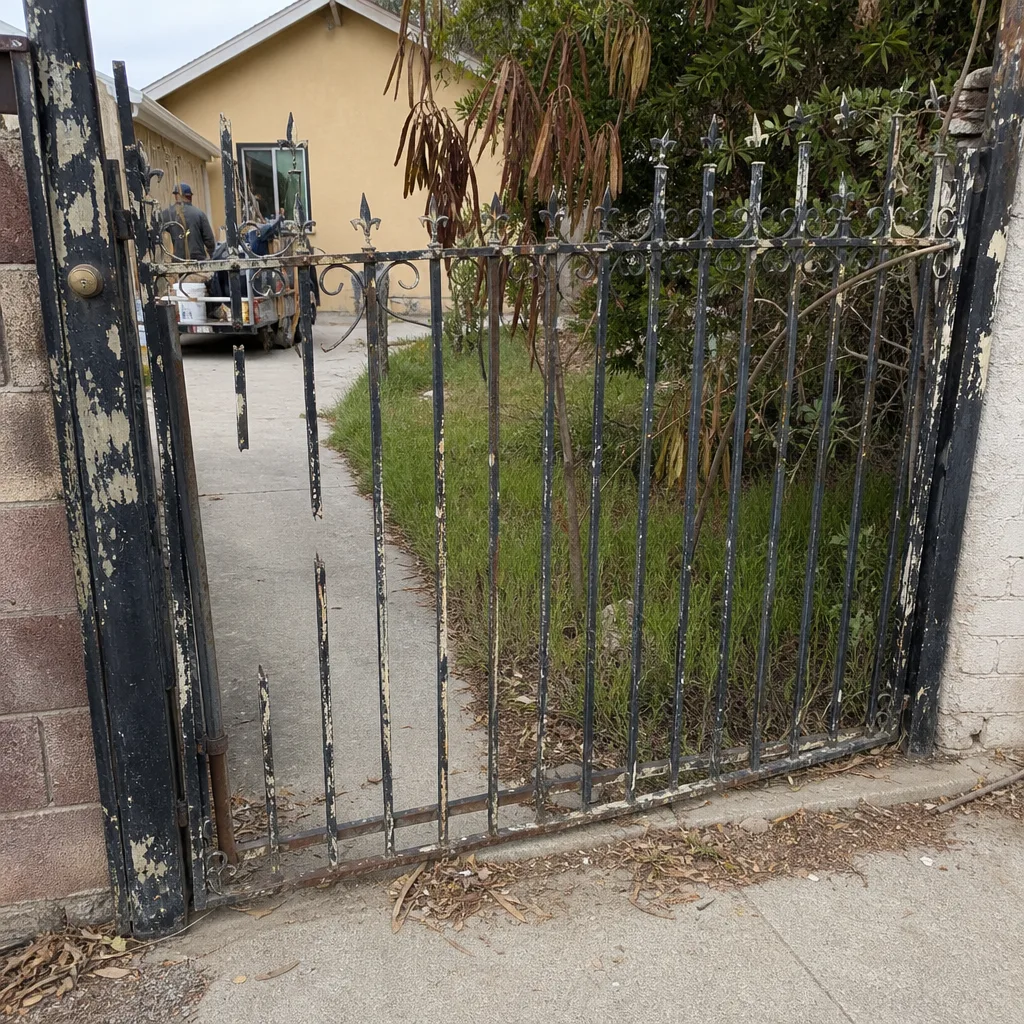 Before
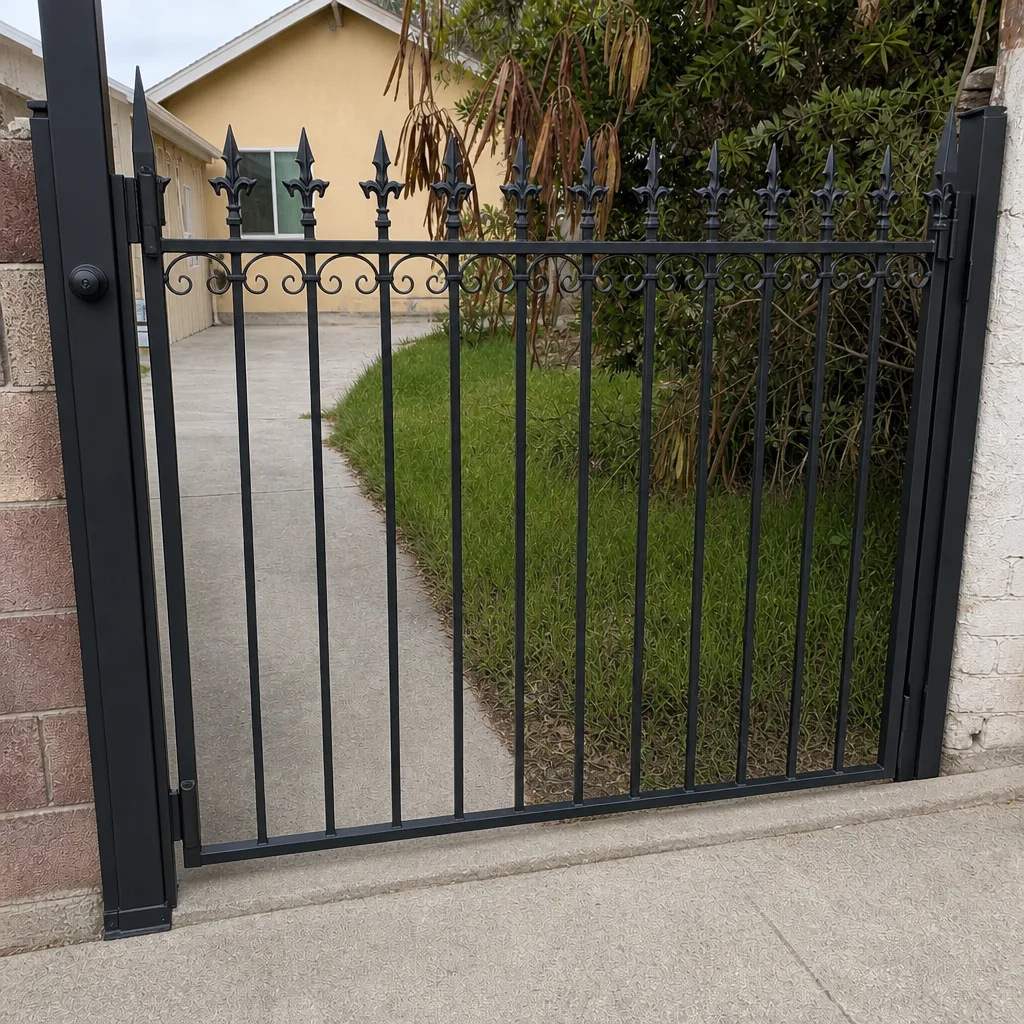 After
When to Call a Professional
Call a gate specialist when the gate doesn’t open or close reliably, when the operator behaves erratically, when the gate leans, drags, or binds, when a sensor or safety device stops working, or when anything involves the operator’s wiring or power. Those aren’t the jobs to troubleshoot on your own. Call us sooner rather than later when a repair involves a gate that’s part of your security, since downtime on an automated entry or a commercial gate isn’t something you want to stretch out.
Ventura Gate Repair offers free estimates in Ventura. Call (833) 361-4971. We answer 24/7, with fast dispatch from 7am to 7pm, Sunday through Friday. Our technicians have up to 8 years of experience, we handle both automated and manual gates, residential and commercial, and every part and tool we bring is around gate systems specifically. That’s the whole focus. When you’re ready to know what your repair actually costs and why, we’ll come look and write it down for you, and the price is quoted and agreed before any work starts.
Frequently Asked Questions
Gate repair in Ventura typically runs from about $150 for a hinge, roller, or sensor fix to roughly $1,800 for a commercial operator replacement, with most residential repairs landing between $250 and $650. The final price depends on the operator brand, the cause of the failure, and access to the gate. Call (833) 361-4971 for an exact quote. Estimates are free, and the written estimate sets the price before work starts.
We answer 24/7 and offer same-day service for many repairs. Fast dispatch runs from 7am to 7pm, Sunday through Friday, and we’re closed on Saturday. A call outside dispatch hours is booked into the next opening, Sunday through Friday, 7am to 7pm. Call (833) 361-4971 and we’ll tell you what’s available for your repair.
A gate that opens halfway or reverses usually points to a sensor out of alignment, a failing control board, or a gate that’s physically binding against its track or hinges. That’s one of the reasons repair prices vary so widely: the same symptom can be a quick sensor fix or a control board replacement. A specialist can diagnose which it is on site. Call (833) 361-4971 for a free estimate.
Yes. We work on automated and electric gate systems, including motors, control boards, safety loops, and remotes, and we also handle manual gate hardware like hinges, wheels, and latches. That means a repair today and a new gate install later can both be handled by the same specialist. Call (833) 361-4971 to talk through your gate.
We’re familiar with nine leading gate operator brands, including LiftMaster, FAAC, BFT, Linear, Viking, Ghost Controls, DoorKing, Elite, and Mighty Mule. That covers residential-grade and commercial-grade systems, so whether you have a homeowner swing gate or an HOA entrance, we’ve worked on the system. Call (833) 361-4971 for a free estimate.
A free estimate means we come out, diagnose the gate, and give you a written price for the repair before any work starts. There’s no service-call fee to get a price. The written estimate then sets the final cost, so there’s no surprise on the invoice. To get started, call (833) 361-4971. We answer 24/7, with fast dispatch from 7am to 7pm, Sunday through Friday.
The Bottom Line
Gate repair pricing in Ventura isn’t mysterious once you know what’s behind it. The same complaint can be a $150 adjustment or a $1,200 operator replacement, and the only way to know which is to know the diagnosis. Use the ranges in this guide as a benchmark, not a promise. Ask every contractor what they found and why the fix addresses it. Get the price in writing before work starts. And deal with dragging gates early, before the cheap repair becomes an expensive one. A gate-only specialist diagnoses faster because gates are all we do. When you want the real number for your gate, Ventura Gate Repair is here to help.
Written by the team at Ventura Gate Repair.