
Last updated November 15, 2026
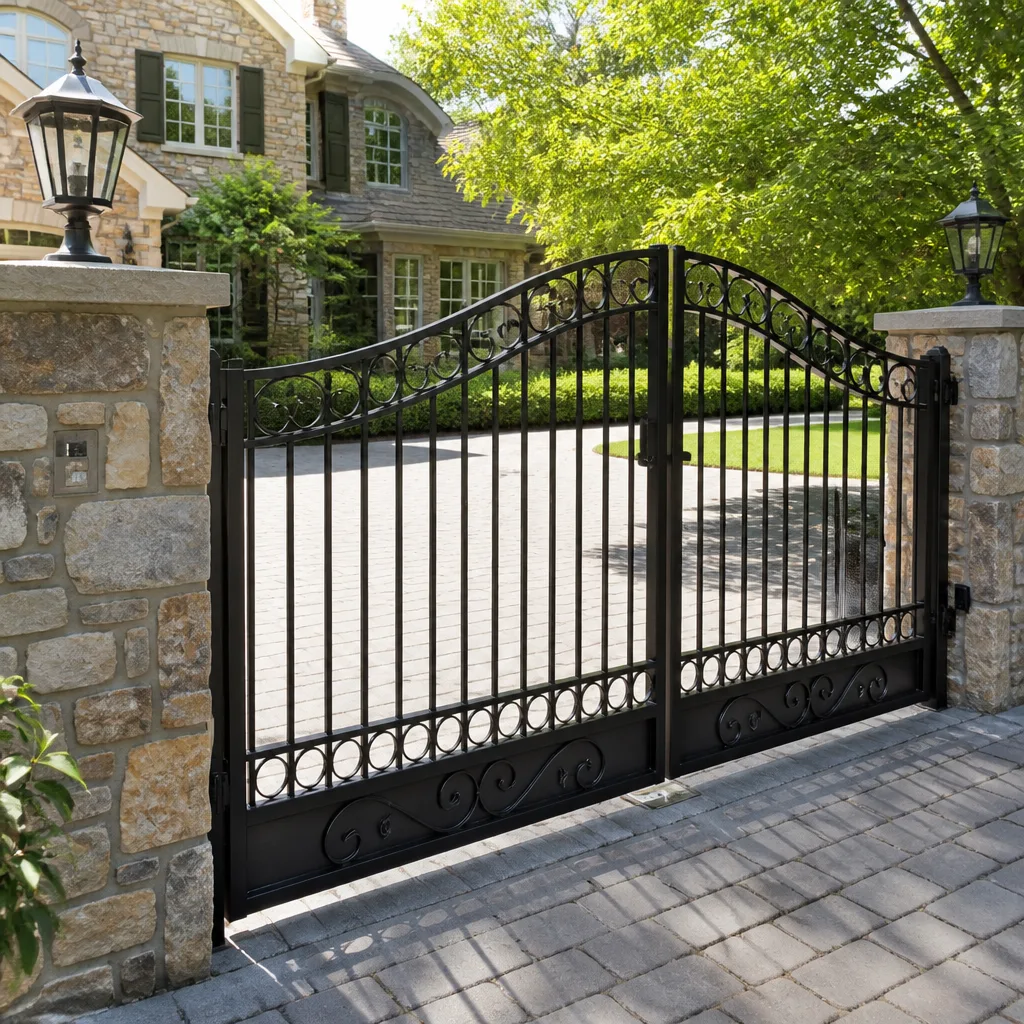 Wrought iron
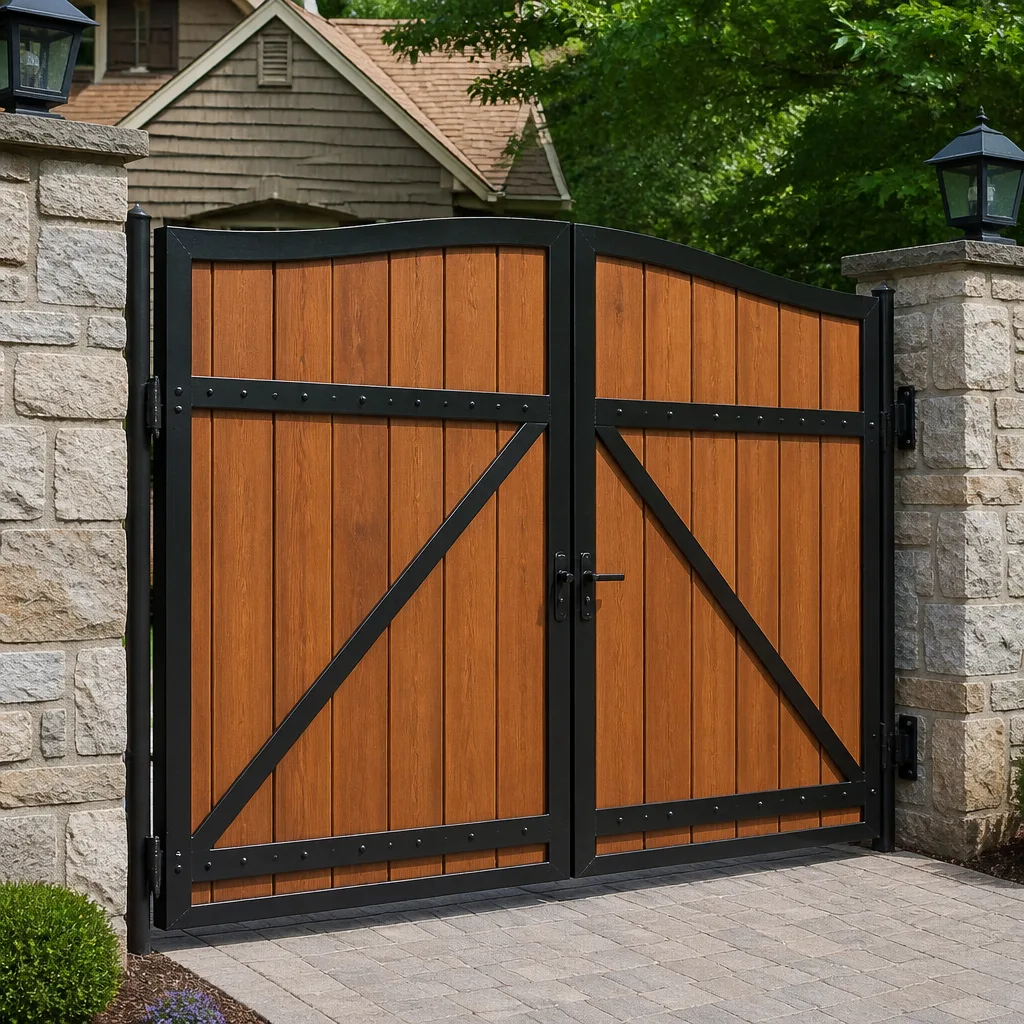 Wood & steel frame
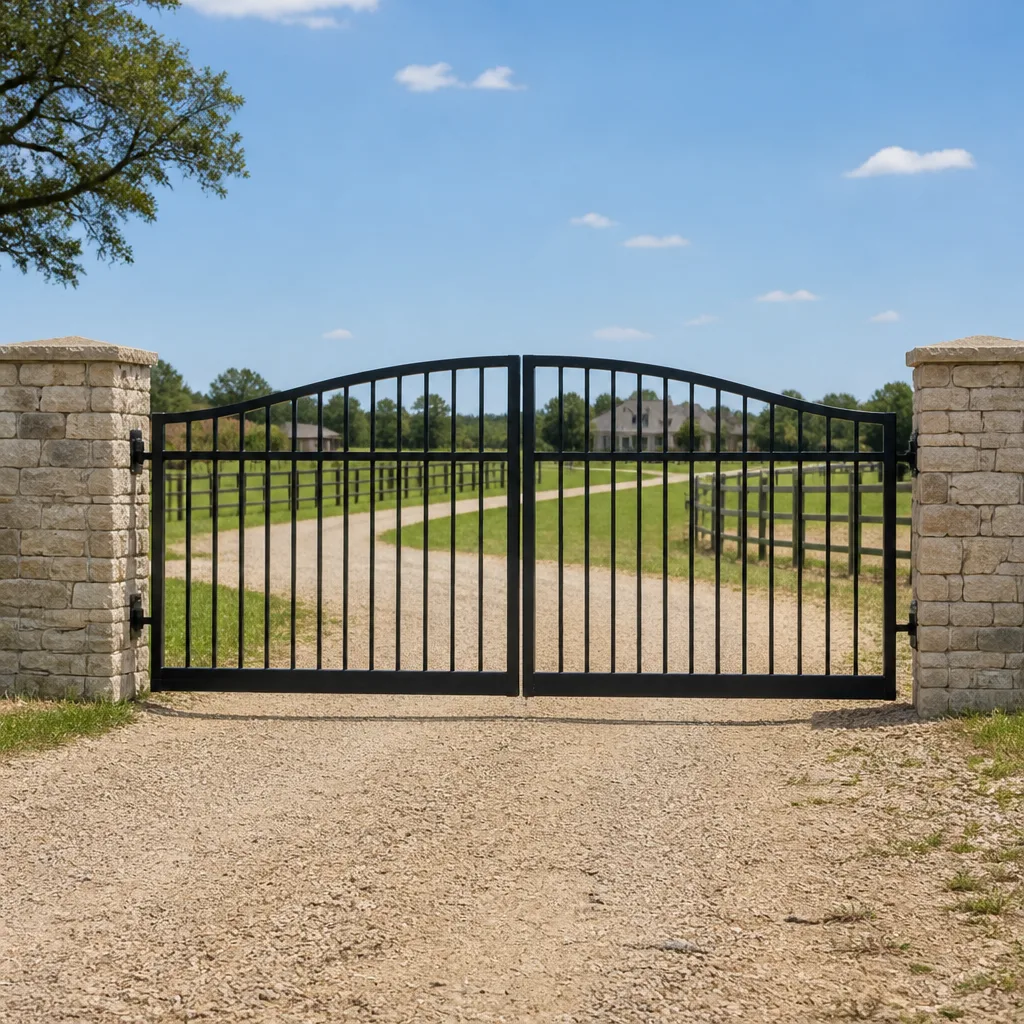 Farm & ranch
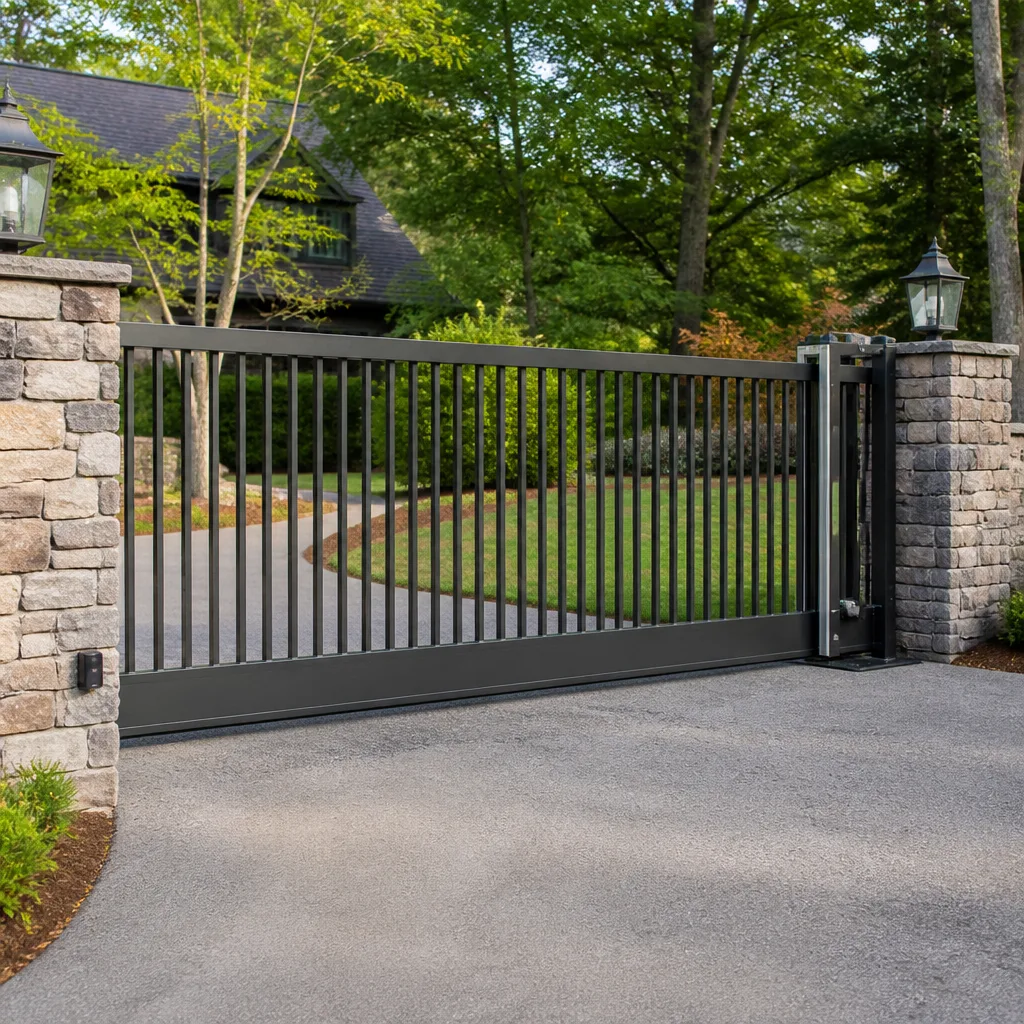 Sliding driveway gates
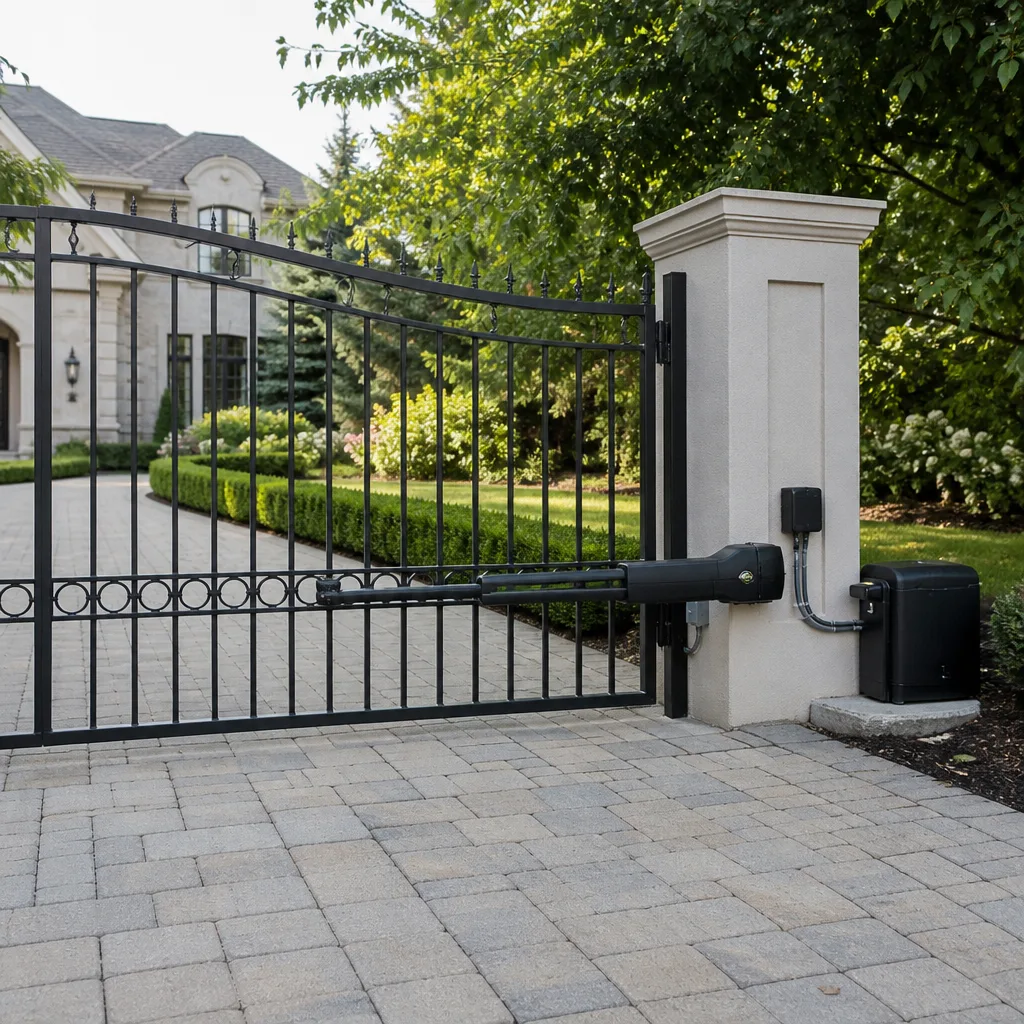 LiftMaster operators
Free on-site gate assessment - hinges, posts, and your LiftMaster or Nice gate operator checked before anything is quoted
The assessment is free and the quote is the invoice.
Get your free estimateGate Repair Warning Signs: A Ventura Homeowner’s Reference Guide
A gate that hesitates for two seconds before it moves isn’t being slow. It’s telling you the capacitor is failing, and the window to fix it cheaply is closing. Most gate failures we get called out to in Ventura were announcing themselves for weeks before the gate finally stopped. The problem isn’t that the warnings are hidden. It’s that no one has handed homeowners the vocabulary to read them. A grind, a click, a hum with no movement, a gate that drifts past its stop point: each one points at a specific part. This guide decodes those signs, sorts the cosmetic from the safety-critical, and tells you which repairs can wait a week and which can’t wait until tomorrow.
Quick Answer
Gate repair warning signs fall into four categories: sound (grinding, clicking, humming, or silence), movement (sagging, drift, mid-cycle reversal, over-travel), control panel faults (blinking lights and error codes), and physical wear (rust patterns, loose hinges, worn track). Treat grinding, mid-cycle reversal, and any smoking or buzzing control box as same-day problems and stop using the gate. Squeaks, cosmetic rust, and slow remote response can usually wait for a scheduled diagnostic.
Styles & brands we work with
- Wrought iron
- Wood & steel frame
- Farm & ranch
- Sliding driveway gates
- LiftMaster operators
Table of Contents
- What Your Gate’s Sounds Are Telling You
- Visual Signs in Gate Movement
- Control Panel Lights and Error Codes
- Safety-Critical vs. Cosmetic: A Triage System
- Ventura Weather and Gate Wear
- Why Brand Familiarity Changes the Diagnosis
- Common Mistakes to Avoid
- When to Call a Professional
- Frequently Asked Questions
What Your Gate’s Sounds Are Telling You
Sit in your car with the engine off and listen to your gate cycle once. That thirty-second habit is the single most useful diagnostic you can build. Each sound points at a different subsystem, and the distinction matters because the wrong repair wastes money while the right one is often small.
Grinding is mechanical interference. On a slide gate, it usually means worn rack-and-pinion teeth, a dry track, or debris packed into the guide. On a swing gate, it more often points at a failing hinge bearing or an operator that’s fighting an obstruction. Grinding rarely resolves on its own, and it accelerates wear on the motor every cycle.
Clicking is electrical. A click at the start of a cycle that produces no movement points to a relay, a capacitor, or a control board trying to start the motor and failing. A rhythmic click during travel points at a limit switch or a reversing sensor triggering repeatedly. Clicking is the gate’s way of narrating a control problem.
Humming with no movement is the most urgent audio warning. It means the motor is receiving power but the mechanical linkage can’t move: a seized bearing, a jammed track, or a failed capacitor. Every second of hum is heat building in the motor. Stop the gate, cut power at the breaker, and call for same-day help.
Silence is the hardest to decode because it splits into two very different problems. No sound and no movement at all usually means a tripped breaker, a dead battery in a solar or battery-backup operator, or a control board that’s failed. Silence after a click is a capacitor or control board. Before you call anyone, check the breaker and any visible power disconnect.
- Grinding: mechanical, often track or hinge wear
- Clicking: electrical, often relay or control board
- Humming, no movement: urgent, motor under load
- Silence: power supply or control board, check breaker first
- Squealing: dry moving parts, lubricate and inspect
- Buzzing at the control box: stop use, this can be heat or a short
Visual Signs in Gate Movement
Watch the gate travel from a safe distance with the operator engaged, then again by hand with power off. The way a gate moves tells you how much of the problem is mechanical and how much is in the electronics. A Ventura Gate Repair technician runs this exact check on the first visit.
Sagging. A gate that drops at the latch side during travel points at hinges, posts, or a settling footing. On older Ventura properties with mature landscaping and years of ground movement, footings shift more than homeowners expect. Sagging puts stress on the operator because the motor now fights gravity as well as weight.
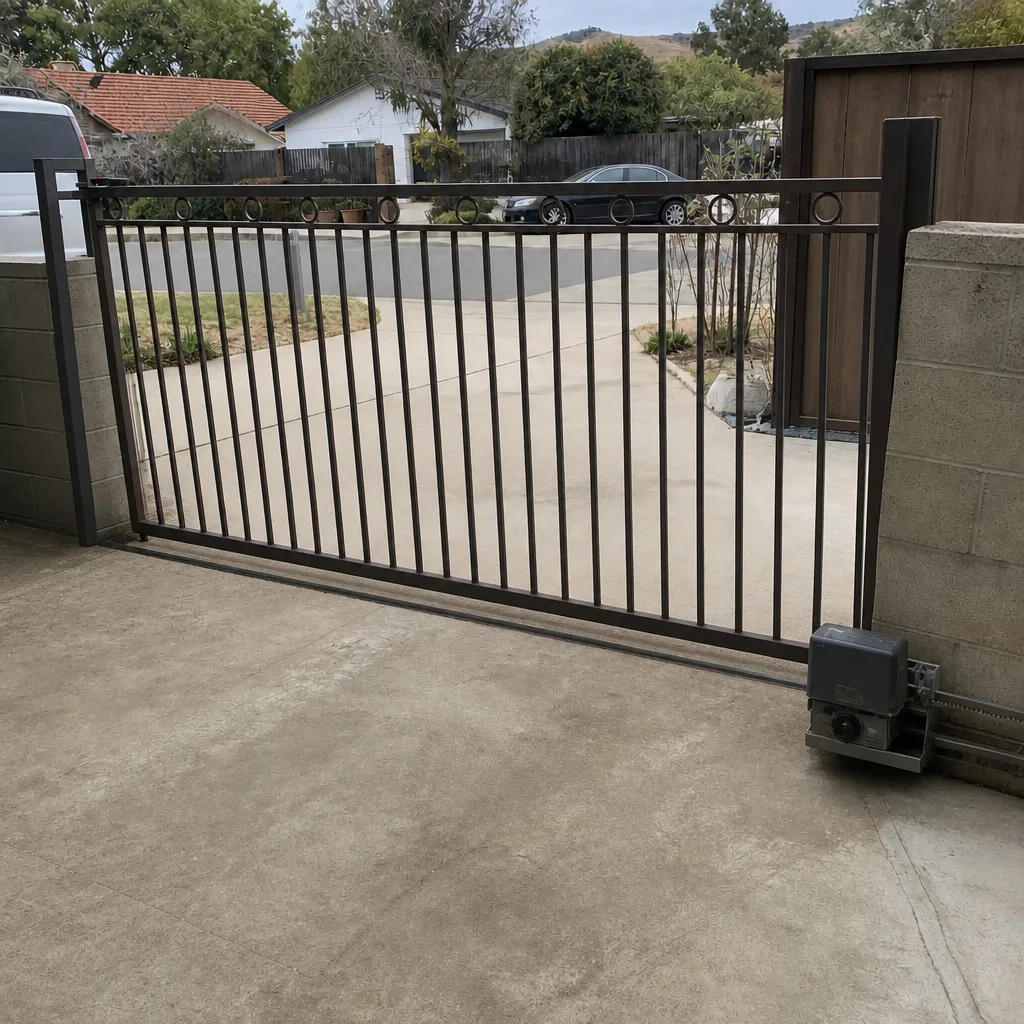
Drift. A gate that keeps moving a few inches after it should have stopped, or that drifts backward once the motor disengages, points at the limit switch position or a worn clutch. Drift on a slide gate can also mean the rack is loose and the pinion is riding past the intended stop.
Over-travel. When the gate reaches the end of its path and the motor continues to push for a second or two, the limit settings are off or the switch is failing. Over-travel is a slow killer of gearboxes and rack teeth.
Mid-cycle reversal. The gate starts to close, then stops and reopens, sometimes repeatedly. This is a safety sensor firing. The most common causes are a misaligned photo-eye, a damaged safety loop, or debris blocking the loop’s signal. Never disable the reversing sensor to fix the annoyance. That sensor is what keeps the gate from closing on a person.
Stalling partway. A gate that stops at the same point in the cycle every time points at a physical obstruction or a bind in the track. A gate that stalls unpredictably points at electrical load or battery voltage.
Control Panel Lights and Error Codes
Your operator’s control panel is a diagnostic display, not just a box on the wall. Blinking patterns are brand-specific, and the codes for a DoorKing commercial operator read differently from a LiftMaster residential unit. Here’s how to approach the panel without guessing:
- Locate the board. It’s usually inside the operator housing or in a separate enclosure nearby. Note the brand name on the cover.
- Count the blinks. Many boards blink a pattern: two blinks, pause, two blinks means one fault; three blinks, pause, three blinks means another. Write down the pattern.
- Photograph the board. A clear photo of the LED sequence and the model label on the operator saves a return trip and gets you a faster diagnosis.
- Check the manual if you have one. Most manufacturers list blink codes in the troubleshooting section. If the manual’s gone, that’s fine. We know the codes for the brands we work on.
- Don’t reset and repeat. Clearing a fault without understanding it can hide a safety sensor failure. Write down what happened before you reset.
The three faults we see most in Ventura residential installs are safety-sensor obstructions, low battery voltage on solar or battery-backup operators, and limit-switch misalignment. On commercial systems, open-and-close limit faults and loop-detector failures are the most common. The brand matters: an Elite board reports faults its own way, and a Mighty Mule DIY-grade operator reports them differently. Knowing the code saves a lot of time on electric gate repair.
Safety-Critical vs. Cosmetic: A Triage System
Not every warning sign means the same urgency. Sorting them correctly lets you plan a repair rather than panic one. Here’s the triage we use on every call in Ventura.
Repair Today (Stop Using the Gate)
- Reversing sensor failure. If the gate closes on an obstruction or the sensor’s disabled, it’s a hazard. Power the gate off until it’s fixed.
- Motor hum with no movement. Heat will finish off the motor if you keep cycling it.
- Smoke, burning smell, or buzzing from the control box. Turn off the breaker and call.
- Gate swings open on its own or fails to latch. A security and safety issue combined.
- Loose or missing gate hinge, or a track that’s separated from the gate. A falling gate can seriously injure someone.
- Mid-cycle reversal that repeats. The gate is cycling blind on safety.
Repair This Week
- Grinding that hasn’t yet stopped the gate
- Gate drifting past its stop point
- One remote failing while others work
- Delayed response from the operator (often a failing capacitor)
- Visible rust on moving parts (address it before it becomes a seized joint)
Repair When Convenient
- Cosmetic rust on the top rail or panels
- Squeaky hinges
- Slow-moving but functional auto-close
- Remote range below normal but reliable
A new gate installation or an operator upgrade is a scheduled, measured job rather than a same-day repair. If you’re weighing replacement against repair, our gate repair service includes an honest recommendation either way, and installation is handled by the same team.
Ventura Weather and Gate Wear
Ventura’s climate shapes how gates fail, but not always in the ways people assume. Winters are mild, so we rarely see the hard freeze damage that drives gate wear in colder parts of the country. What we do see is a distinct split in wear patterns between gates exposed to the prevailing onshore flow along the western edge of the city and gates tucked inland toward the Ventura River valley and the hills above town.
Gates near the shoreline – in neighborhoods like Pierpont and the beach-adjacent streets – tend to corrode at fittings, welds, and pivot points years before inland gates show similar wear. The pattern shows up first on fasteners, hinge pins, and the underside of the top rail where moisture settles after fog. On these gates, cosmetic rust on a hinge pin is not cosmetic. It signals the pin is close to seizing, which drags on the operator.
Inland gates – up toward Grant Park, the hills above Ventura College, and the older properties surrounding downtown – see more dust, heat cycling, and yard debris than corrosion. The signs there are dry, dusty grinding in the track, warped wood on wood gates during summer heat, and loosened post bolts as the soil dries through the season. Different failure modes, different maintenance.
The seasonal swing matters too. Spring and fall fog cycles can make electrical faults surface intermittently, especially where a photo-eye or safety loop has moisture in a junction box. A gate that fails every morning and works every afternoon is not being temperamental. It has a moisture problem in the wiring.
One caution about rust: don’t automatically reach for a can of spray paint on every orange spot. A rust pattern along a weld seam points at structural fatigue. A superficial bloom on the top rail points at surface oxidation. Reading the pattern correctly changes the fix.
Why Brand Familiarity Changes the Diagnosis
Every gate operator brand speaks its own language. A warning sign that points to a failed capacitor on one brand can mean a misconfigured control board on another. The brand name on the operator label is the first thing a trained diagnostic starts with, because the same symptom resolves differently across the industry’s brands.
Residential operators (Mighty Mule and Ghost Controls are common in Ventura residential installs) tend to show early warning signs in limit switch alignment and battery voltage. DIY-installed gates frequently have limit switches set too loosely, which shortens motor life. Commercial-grade operators (FAAC, BFT, DoorKing) tend to report faults more clearly on the control board, but their loop detectors and safety edges fail more often because they’re doing more work.
When you call a specialist, the brand and model on your operator label is not a problem to be researched before the visit. It’s a known quantity. Ventura Gate Repair works on equipment from nine brands: LiftMaster, FAAC, BFT, Linear, Viking, Ghost Controls, DoorKing, Elite, and Mighty Mule. That brand familiarity means diagnosis starts on arrival rather than after a manual lookup. Our technicians have up to 8 years of experience, and every tool on the call is a gate tool. There’s no garage-door detour, no learning your system from scratch.
If you don’t know your brand, that’s fine. The model label is usually visible on the operator housing or on the inside of the control box. A photo of it before the call gets the diagnostic moving fast even before a tech arrives.
Common Mistakes to Avoid
- Disabling the reversing sensor. Some homeowners unplug the photo-eye when it keeps triggering. That sensor is the safety feature that prevents the gate from closing on a child, a pet, or a vehicle. Fix the sensor, don’t bypass it.
- Greasing the track to stop grinding. Excess grease on a slide-gate track attracts dust and makes grinding worse in Ventura’s dry inland neighborhoods. Clean first, then apply the correct lubricant for the system.
- Ignoring drift. A gate that drifts a few inches past its stop every cycle is grinding gear teeth every cycle. Waiting six months is much more expensive than addressing it now.
- Replacing a remote when the receiver is failing. If two of three remotes work and one doesn’t, the remote’s at fault. If all three fail, the receiver or board is the problem. Don’t buy remotes before you know which.
- Booking a generalist contractor for a commercial operator. A FAAC or DoorKing commercial operator has different controls, safety edges, and loop wiring than a residential Mighty Mule. A handyman with gate experience is not the same as a gate specialist. For a landlord with an apartment gate, downtime is measured in tenant complaints.
- Watching the gate closely during a stall. If a gate stalls with power on, don’t stand in its path trying to see what’s wrong. Cut power first, then look.
- Assuming Ventura’s mild weather means no maintenance. Coastal fog and inland dust both wear on moving parts, just on different schedules. An annual inspection catches wear before it becomes a repair.
When to Call a Professional
Call a professional the same day when the gate hums without moving, when the reversing sensor fires repeatedly, when the control box smokes, buzzes, or smells hot, or when the gate swings open on its own or fails to latch at all. Those are safety failures, not inconveniences. Schedule a diagnostic this week when grinding, drift, over-travel, or a failing remote appears but the gate still works. And if you’re not sure where your gate falls on the triage list, send a photo of the operator label and a short video of the cycle. We’ll tell you.
Ventura Gate Repair is a gate-only specialist covering residential and commercial properties in Ventura. We handle electric gate repair, mechanical hardware, and new gate installation on the same team, on nine brands. Free estimates are standard, and the written estimate sets the final price before any work starts. Call (833) 361-4971. We answer 24/7. Fast dispatch from 7am to 7pm, Sunday through Friday.
Frequently Asked Questions
Pricing depends on what’s failing: a sensor realignment, a capacitor swap, a control board replacement, or a hardware repair on a sagging gate each sit at different price levels, so we quote per job after diagnosis. The estimate is free and the written estimate sets the final price before any work starts. Call (833) 361-4971 for an exact quote – estimates are free.
Yes – treat it as same-day. Humming with no movement means the motor is under load but the mechanical linkage is stuck. That builds heat in the motor with every cycle and can turn a small repair into a motor replacement. Cut power at the breaker and call. We answer 24/7, with dispatch from 7am to 7pm, Sunday through Friday.
The blink pattern is the board’s fault code, and each brand reports differently. Count the blinks between pauses, note the brand on the operator label, and photograph the board. LiftMaster, DoorKing, Elite, and Mighty Mule each use their own code set, and we work on all of them. Don’t clear the fault without recording it first.
A mid-cycle reversal means a safety sensor is firing. The most common causes are a misaligned photo-eye, a safety loop with debris on it, or a wiring fault. The gate is protecting a person, a pet, or a vehicle from getting hit. Don’t disable the sensor. Call for repair – the reversal is the system working as designed.
Yes. Ventura Gate Repair covers the full arc: diagnosis, electric gate repair, mechanical hardware, and new gate installation. That means one call for the repair today and the same team for the installation when you’re ready to upgrade, without a second company in the loop.
We come on-site, cycle the gate, listen for the sound pattern, watch the movement, and check the control board. We diagnose the actual fault, not the symptom, and give you a written estimate per job. No work starts before you’ve agreed to the number. Call (833) 361-4971 to book an estimate in Ventura.
The Bottom Line
Every serious gate failure announces itself. A hesitation, a click, a hum without movement, a drift past the stop – these are the warning signs, and reading them correctly is the whole game. Sort what you find into three buckets: stop-use safety failures, repair-this-week mechanical problems, and cosmetic wear that can wait. Keep the reversing sensor functional at all costs. Keep the operator label handy for the diagnosis. Watch for the Ventura-specific split between coastal corrosion and inland dust-more than the generic “gates wear out” advice you’ll read elsewhere. And when a sign crosses into the safety bucket, call the specialist while it’s still a small repair. Call (833) 361-4971 for a free estimate.
Written by the team at Ventura Gate Repair.
See the difference
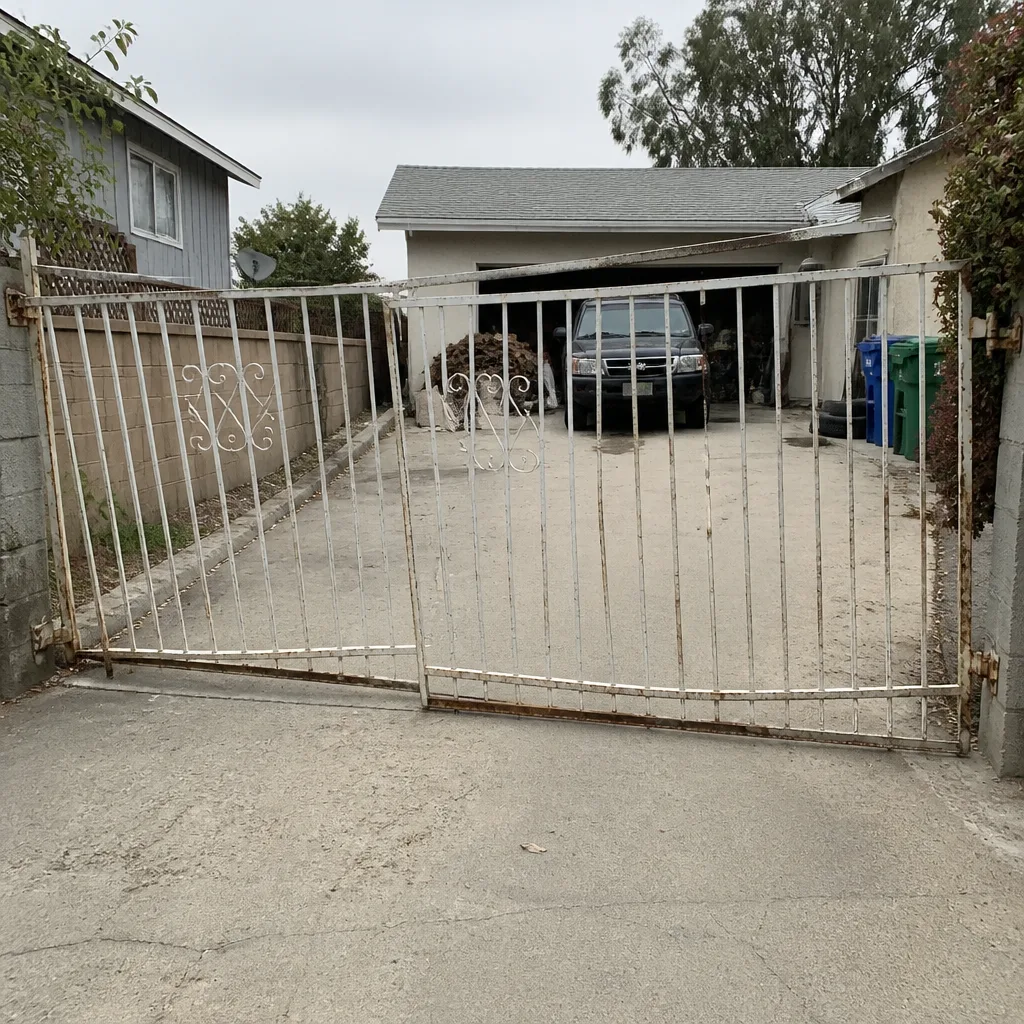 Before
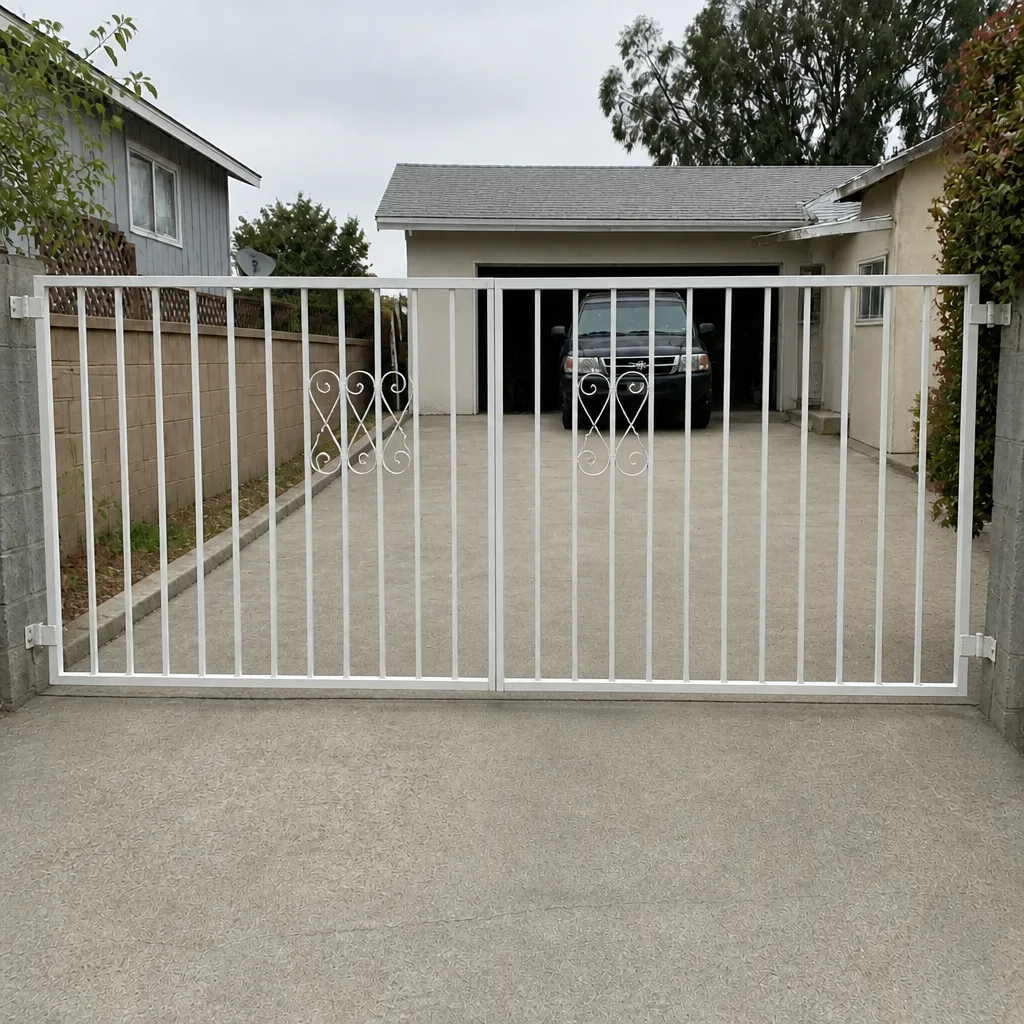 After
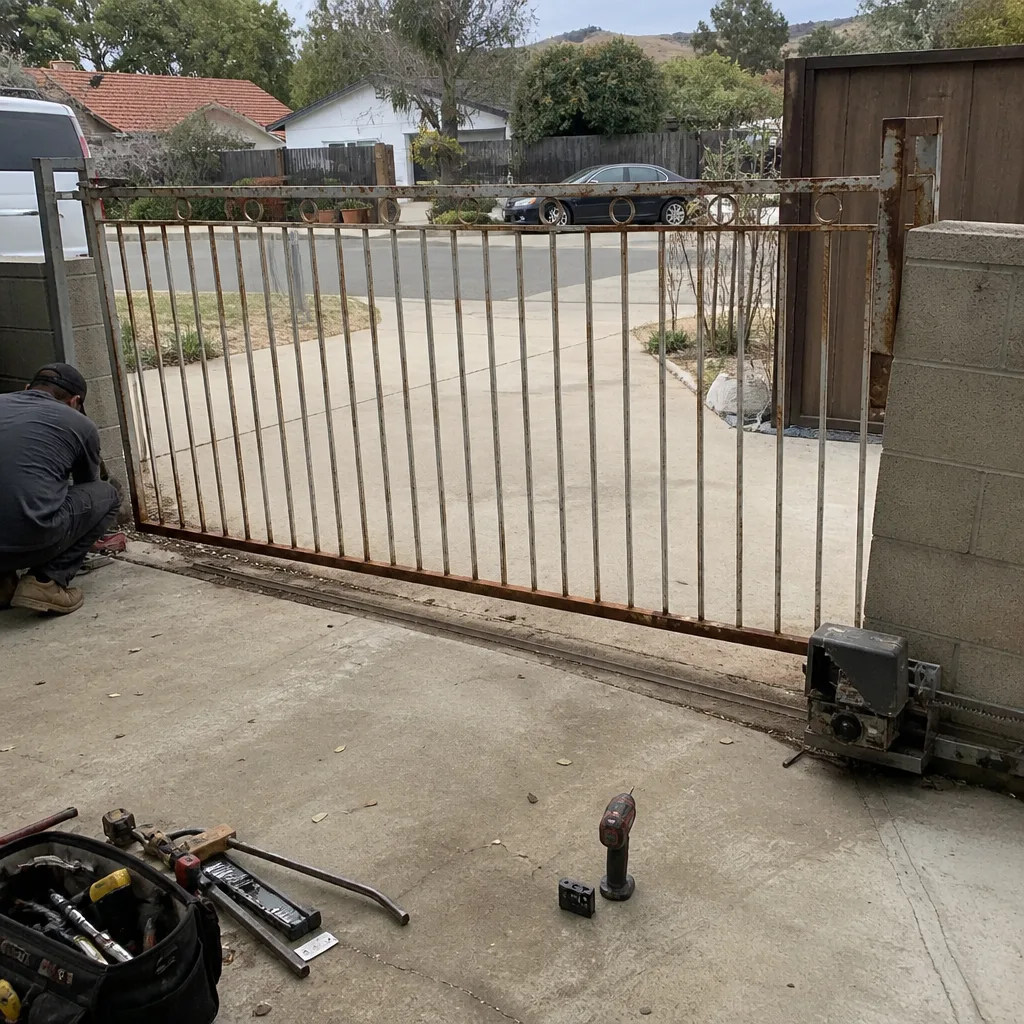 Before
 After
 Before
 After