
Last updated November 15, 2026
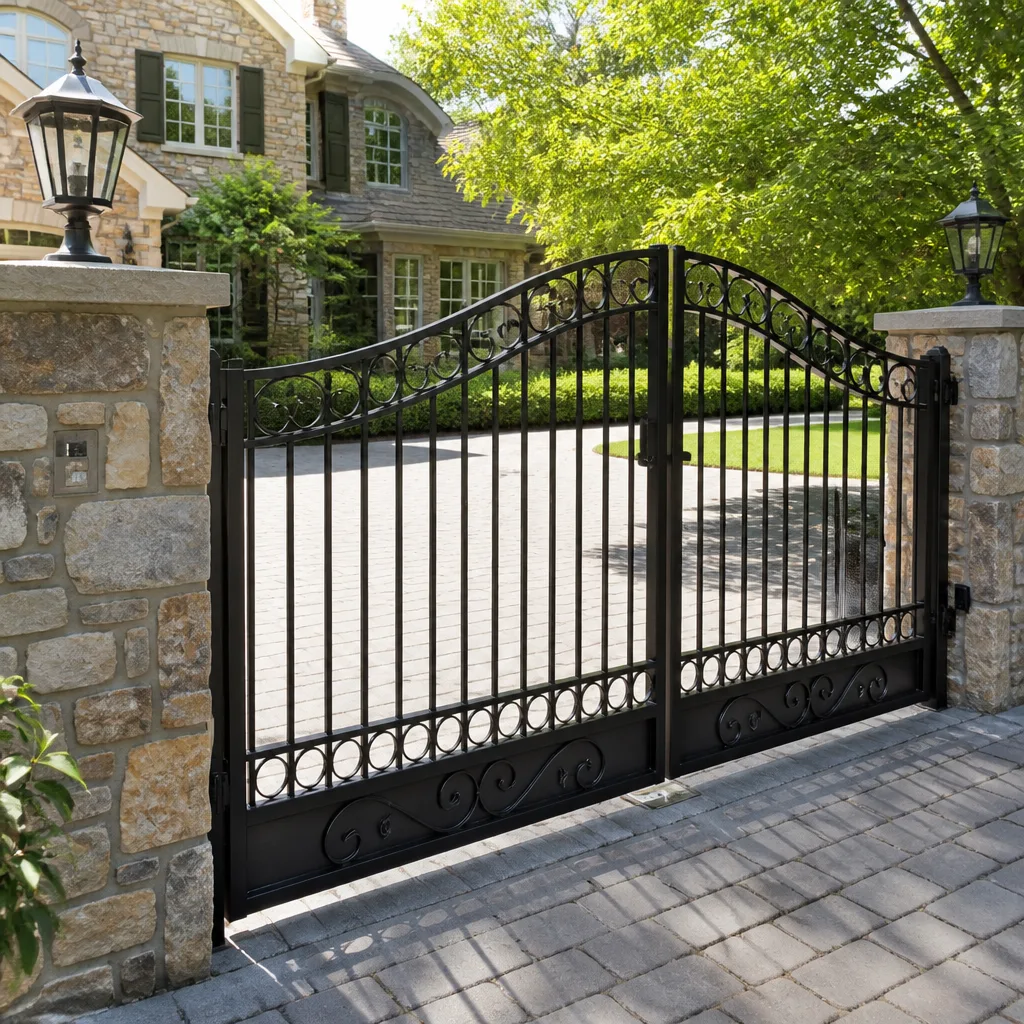 Wrought iron
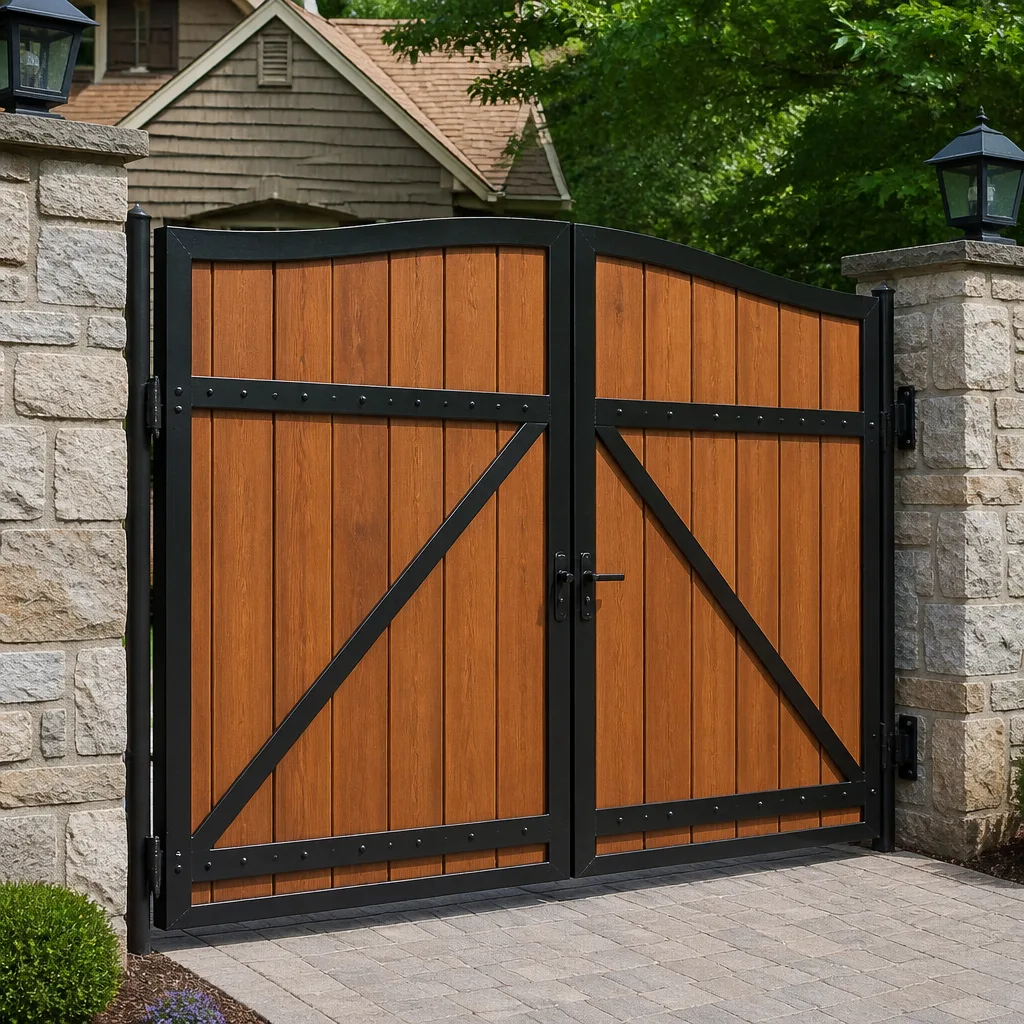 Wood & steel frame
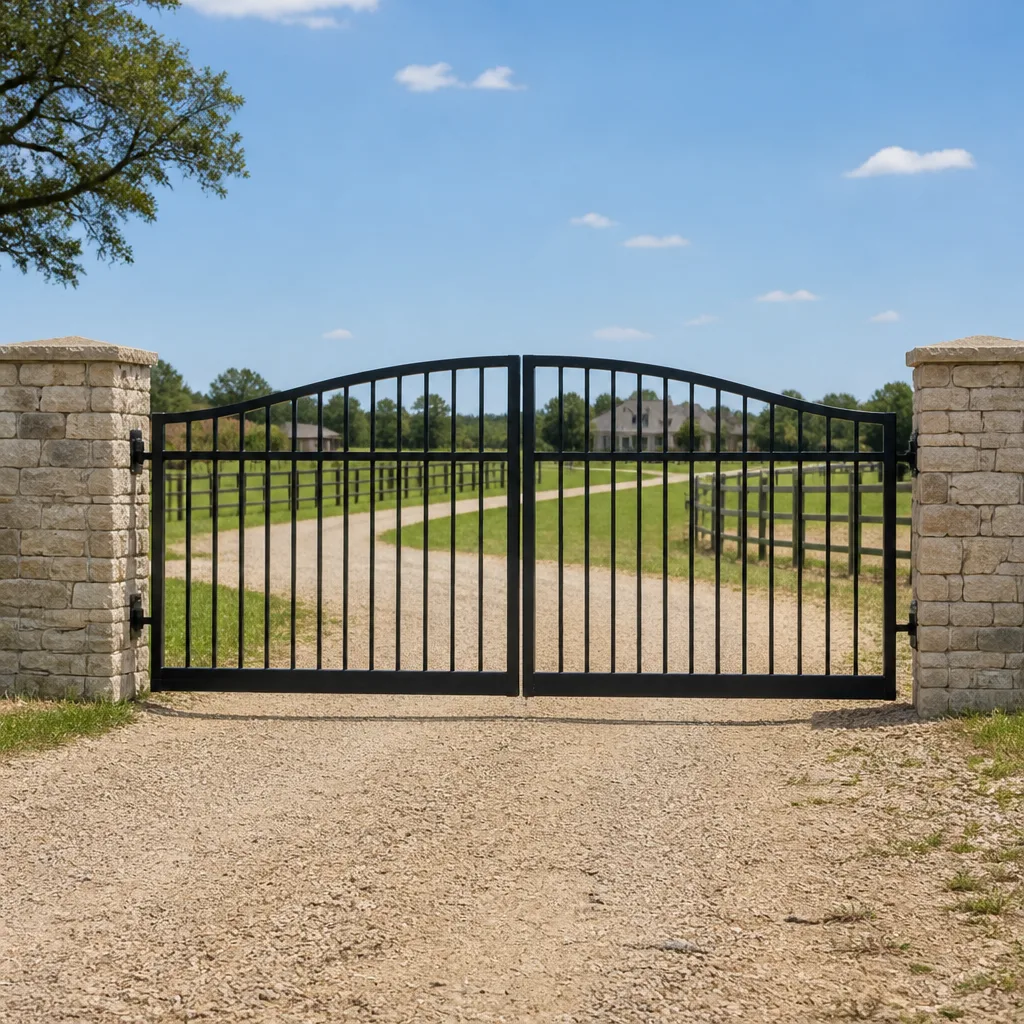 Farm & ranch
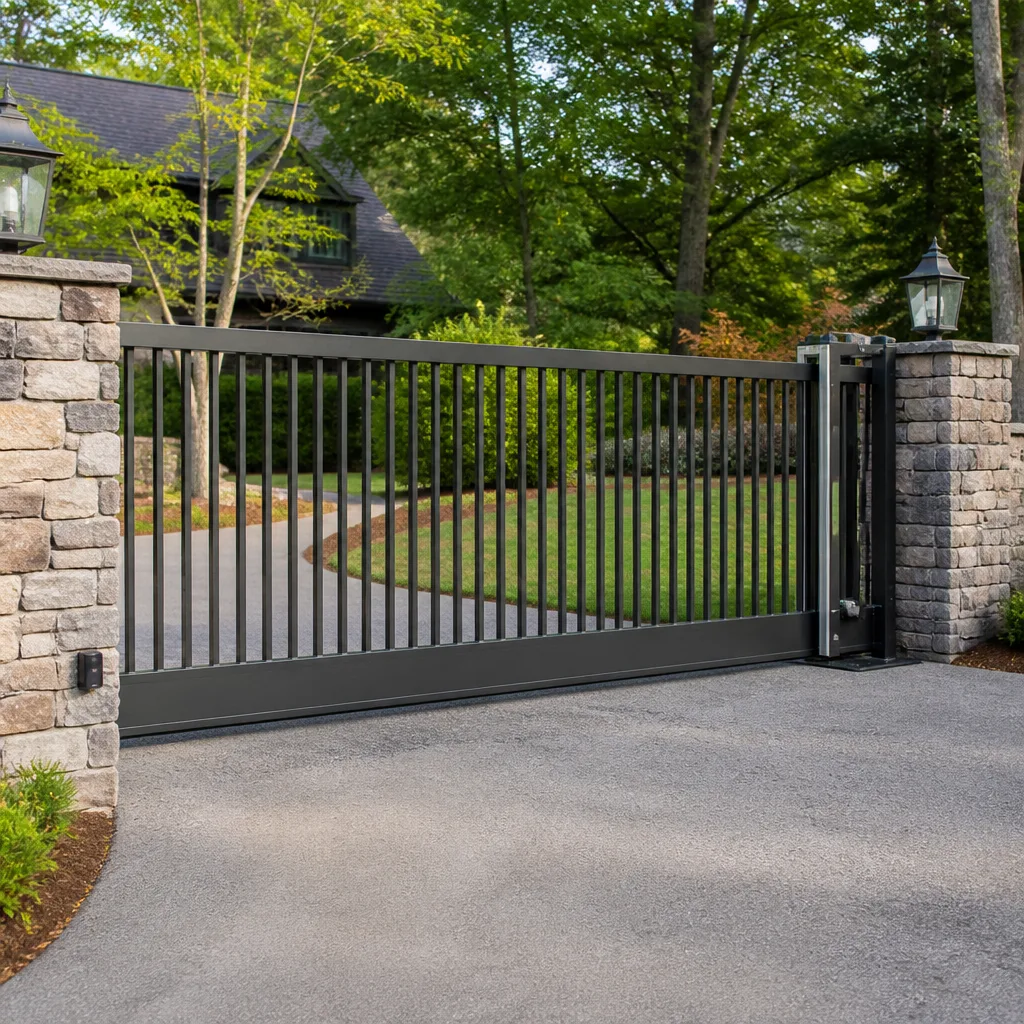 Sliding driveway gates
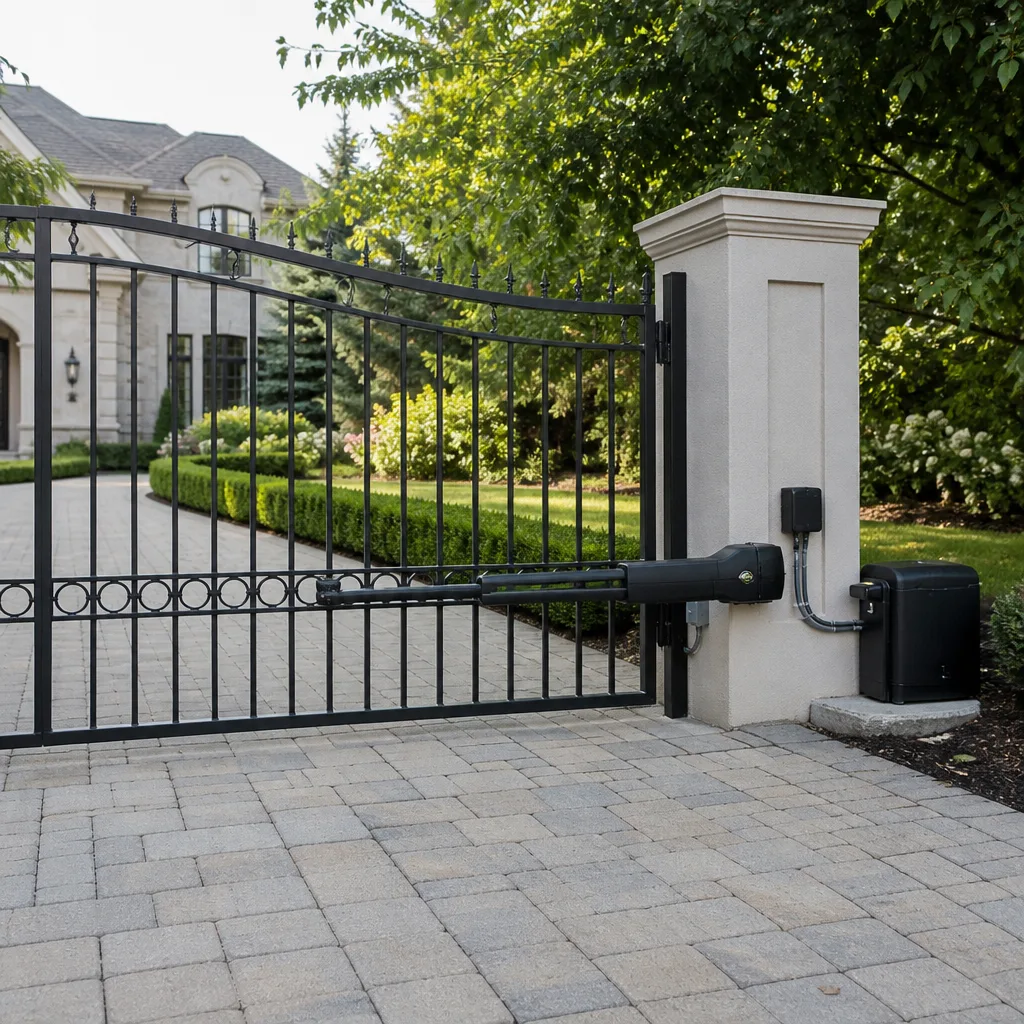 LiftMaster operators
Free on-site gate assessment - hinges, posts, and your LiftMaster or Nice gate operator checked before anything is quoted
The assessment is free and the quote is the invoice.
Get your free estimateChoosing the Right Gate Repair Brand: A Buyer’s Guide for Ventura
The most popular gate operator brand on the shelf at a big-box store is often the one with the thinnest parts support in Ventura County. That’s the counterintuitive truth behind most gate brand decisions. A brand that sells millions of units nationally can leave a Ventura property manager waiting on a control board with no local path to a replacement. And the brand a neighbor swears by might be ideal for a 10-foot residential swing gate and completely wrong for a 20-foot commercial dual-swing running dozens of cycles a day. This guide covers how to match an operator to your gate, how to verify parts support before you buy, and what long-term costs really look like.
Quick Answer
The right gate operator brand for a Ventura property is the one whose design matches your gate’s weight, travel, and duty cycle, and whose parts and service support actually exist in the Ventura and Oxnard market. Popularity and brand loyalty matter far less than local availability. Verify parts support and technician familiarity before purchase, not after the gate stops opening.
Styles & brands we work with
- Wrought iron
- Wood & steel frame
- Farm & ranch
- Sliding driveway gates
- LiftMaster operators
Table of Contents
- How gate operator type connects to your gate
- Which brands have real parts and service support in Ventura
- Budget vs. commercial-grade lifespan and long-term cost
- Control board and connectivity features that matter
- How to vet parts availability before you buy
- Manual hardware vs. automated systems
- Common mistakes to avoid
- When to call a professional
How Gate Operator Type Connects to Your Gate
Every gate operator decision starts with three numbers: gate weight, travel distance, and cycles per day. Get those wrong and no brand name saves you. A slide operator and a swing operator solve different mechanical problems, and residential duty cycles are nothing like commercial ones.
Slide gates travel horizontally and need clear, level ground along the entire run. Swing gates pivot on hinges and need clearance for the arc. The operator you pick has to match the geometry you actually have, not the geometry you wish you had.
Weight is the hard ceiling. A lightweight residential operator rated for a few hundred pounds of leaf will fail early under a heavy ornamental steel gate. Travel distance matters too: long gates need operators rated for the length of the run, or the gate will stall partway.
Duty cycle is the number most homeowners never consider. A residential driveway gate that opens a few times a day is a very different load from a commercial entry that cycles dozens or hundreds of times. Commercial-grade operators from brands like FAAC and BFT are built for that continuous workload. Residential units from brands like Mighty Mule or Ghost Controls are built for lighter, intermittent use.
In our experience, the most common operator failure we see in Ventura comes from a residential unit pushed into a commercial role, not from a defective brand. Matching the operator class to the actual workload matters more than the logo on the housing.
Here’s how to frame the match:
- Weigh the gate leaf and note its width and travel path.
- Count realistic daily cycles: resident use, deliveries, tenants, or traffic.
- Match operator class (residential vs. commercial duty cycle) to that cycle count.
- Confirm the operator rating covers your gate weight and travel with margin.
- Then, and only then, pick among brands that make an operator in that class.
If you’re not sure what your gate actually needs, a gate repair visit is the honest way to find out before you spend on the wrong class of operator.
Which Brands Have Real Parts and Service Support in Ventura
National availability and Ventura availability are not the same thing. A brand can sell operators across the country and still leave a Ventura homeowner waiting weeks for a specific control board or motor arm. Before you commit to a brand, ask a simple question: can a local gate technician get parts for this system without a special order that stalls your gate?
We work on nine leading gate operator brands: LiftMaster, FAAC, BFT, Linear, Viking, Ghost Controls, DoorKing, Elite, and Mighty Mule. That range matters because it spans both residential-grade systems and heavy commercial operators. A homeowner with a Mighty Mule or Ghost Controls entry gate and a property manager running a DoorKing access system both get the same specialist attention.
What separates real support from thin support:
- Parts familiarity. A technician who has worked on FAAC and BFT operators recognizes a failing control board faster than a generalist hunting through a manual.
- Model coverage. Some brands have deep local service networks for their commercial lines and thin coverage for their residential lines, or the reverse.
- Diagnostic speed. When a specialist already knows the brand’s quirks, diagnosis is quicker and your gate is back in service faster.
- Repair vs. replacement path. A brand with good local parts support is one you can realistically repair. A brand without it forces replacement by default.
Ventura’s mild climate is gentle on gate hardware compared with harsher regions, so operators here often last longer than the national average. That cuts both ways: a system that lasts a decade is a system you’ll need parts for a decade out. Local parts support compounds in value over that time.
For automated systems, the brand question is really a wiring and controls question. Our electric gate repair work centers on motors, control boards, safety loops, and remotes, and brand familiarity is what turns a slow diagnostic into a fast fix.
Budget vs. Commercial-Grade Lifespan and Long-Term Cost
A budget operator that lasts a couple of years and a commercial-grade operator that runs a decade or more are two very different purchases, even if the sticker prices look closer than you’d expect. The real cost of a gate operator is the price plus every repair, part, and replacement over its working life. By that measure, cheaper is often the more expensive choice.
In general terms, residential-grade operators tend to have shorter service lives and lighter duty ratings. Commercial-grade operators are engineered for continuous use and longer service. The gap is widest under heavy daily cycles, which is why matching class to workload pays off.
Think about the cost in layers:
- Purchase price. The number on the box. Rarely the whole story.
- Repair frequency. Lighter-duty units under heavy load need more service visits over their life.
- Parts availability. A brand with local support is cheaper to keep running. One without it isn’t.
- Downtime cost. For a commercial property, a gate that won’t open is lost access, backed-up traffic, and possibly lost business. For a security gate, it’s a gap in your perimeter.
- Replacement cycle. Replacing a short-lived operator twice can cost more than buying a long-lived one once.
We don’t quote brand prices sight unseen. The number that actually sets your cost is a written estimate after we look at your gate, its weight, and how it’s used. What we can say is that the calculation favors matching operator class to workload rather than buying the cheapest unit that technically moves the gate.
For Ventura property owners thinking a few years ahead, the question isn’t “what’s the cheapest operator.” It’s “what operator will still have parts and service support when this gate is ten years old.”
Control Board and Connectivity Features That Matter
Modern gate operators are small computers. The control board is where most brand differences show up in daily use, and it’s where buyers should focus when comparing features. The right board supports how you actually want to operate the gate, and the wrong one adds frustration and repair bills.
Features worth weighing:
- Remote and entry systems. How many remotes does the system support, and how easy are they to add?
- Safety devices. Safety loops, photo eyes, and edge sensors are not optional on an automated gate. Confirm the board accepts the safety devices you need and that a technician can wire and test them.
- Surge protection. Gate operators run on line power and are exposed to electrical spikes. A board with solid surge protection saves control boards over time.
- Diagnostics. Boards that report fault codes make diagnosis faster. Some commercial systems offer cloud-based diagnostics, which helps a property manager see what’s wrong without a guessing game.
- Smart-home and access integration. For Ventura homeowners, the ability to tie gate access to a smart-home system or an app-based entry platform is a real convenience. For commercial systems, integration with access control and tenant management matters more.
Here’s what to evaluate in order:
- Confirm the board supports the safety devices your gate needs.
- Check remote capacity and how access gets added.
- Ask how the system reports faults and whether diagnostics are local or cloud-based.
- Confirm surge protection is part of the design, not an afterthought.
- Only then weigh smart-home or access-control integrations.
A feature list looks impressive until a control board fails. The brand that supports your board locally is the brand that keeps your gate moving.
How to Vet Parts Availability Before You Buy
This is the step buyers skip, and it’s the one that matters most. You can verify a brand’s local parts support before you commit, and doing so prevents years of frustration. Parts availability should be a checklist item, not a hope.
Ask these questions before purchase:
- Who locally services this brand? Roof the question down to a real gate technician, not a general handyman. Ask a Ventura Gate Repair specialist directly whether they work on the brand.
- How fast can parts arrive? Ask about typical lead times for the most failure-prone parts: motors, control boards, and safety devices.
- Is the model still in production? A brand that updates models frequently can orphan older control boards. Confirm your model and its parts are current.
- Does the warranty depend on brand-authorized service? Check the fine print so you don’t void coverage.
- What does the service network look like in Ventura? A brand with deep coverage in the Ventura and Oxnard market is a safer bet than one with thin local support.
One more: ask about the operator’s most common failure points and how easy those parts are to source. A brand with good general support but a hard-to-find control board is still a brand that can stall your gate.
This vetting isn’t about loyalty. It’s about the practical cost of ownership. The brand that can be fixed locally is the brand worth owning.
Manual Hardware vs. Automated Systems
Not every gate is automated, and not every buyer needs an operator. Manual gate hardware is its own category, and it’s often the right answer for a low-traffic entrance where a motor would add complexity for little benefit. Understanding the difference helps you buy according to need.
Manual hardware includes hinges, latches, catches, and gate posts. It’s simpler and cheaper to maintain, and there’s less to fail. For a side-yard pedestrian gate or a low-traffic driveway, manual is often the sensible choice.
Automated systems add an operator, a control board, safety devices, remotes, and a power run. They bring convenience and, for heavily used entrances, a workflow that manual gates can’t match. They also introduce the brand questions in this guide: which operator, which control board, and which brands have local support.
We handle both. Some of our work is restoring manual hardware so a gate swings cleanly and latches reliably. Some is diagnosing an operator that won’t respond. The full service arc runs from emergency repair through new gate installation, so whether you’re keeping a manual gate or automating one, it’s a single call, not a second contractor.
If you’re weighing an upgrade, the logic is straightforward. If the gate is heavy, heavily used, or remote from the house, automation earns its keep. If it’s light, low-traffic, and close at hand, manual hardware often wins on cost and simplicity. Either way, the brand question returns the moment you automate.
Common Mistakes to Avoid
- Choosing brand by popularity. The most-sold brand isn’t the most serviceable one in Ventura. Check local parts support, not sales volume.
- Ignoring duty cycle. Homeowners often pick a residential operator for a commercial workload. Match operator class to actual cycles, not to the label.
- Buying online and assuming local service. An operator bought from a distant seller may have no local path to parts or warranty service. Confirm local support before you buy.
- Skipping the safety check. Automated gates need working safety devices. Choose a board that supports them and a technician who can wire and test them.
- Treating a gate company as a garage-door company. A generalist contractor who services gates occasionally will diagnose slower than a gate specialist. Ask whether gates are all they do.
- Assuming a new brand means a new company. Because we work on nine major brands, including LiftMaster, FAAC, BFT, and Mighty Mule, a new operator doesn’t force a second contractor. Confirm this before signing.
- Accepting a bid without a written estimate. The price should be quoted and agreed before any work starts. Insist on it.
When to Call a Professional
Some gate problems are worth a call sooner than others. If the operator won’t respond to a remote, the gate moves unevenly, the motor sounds strained, or a safety device stops working, those are signs of a failing component that can get worse. If a commercial gate is down and blocking access, the downtime itself justifies a call. A heavy gate that has come off its track or a swing that dropped is a safety concern, not a weekend project. The same goes for high-power wiring and control boards: those are not tasks for a homeowner. We answer 24/7, with fast dispatch from 7am to 7pm, Sunday through Friday. Ventura Gate Repair offers free estimates in Ventura, so call (833) 361-4971 to get a clear diagnosis and a written price before any work begins.
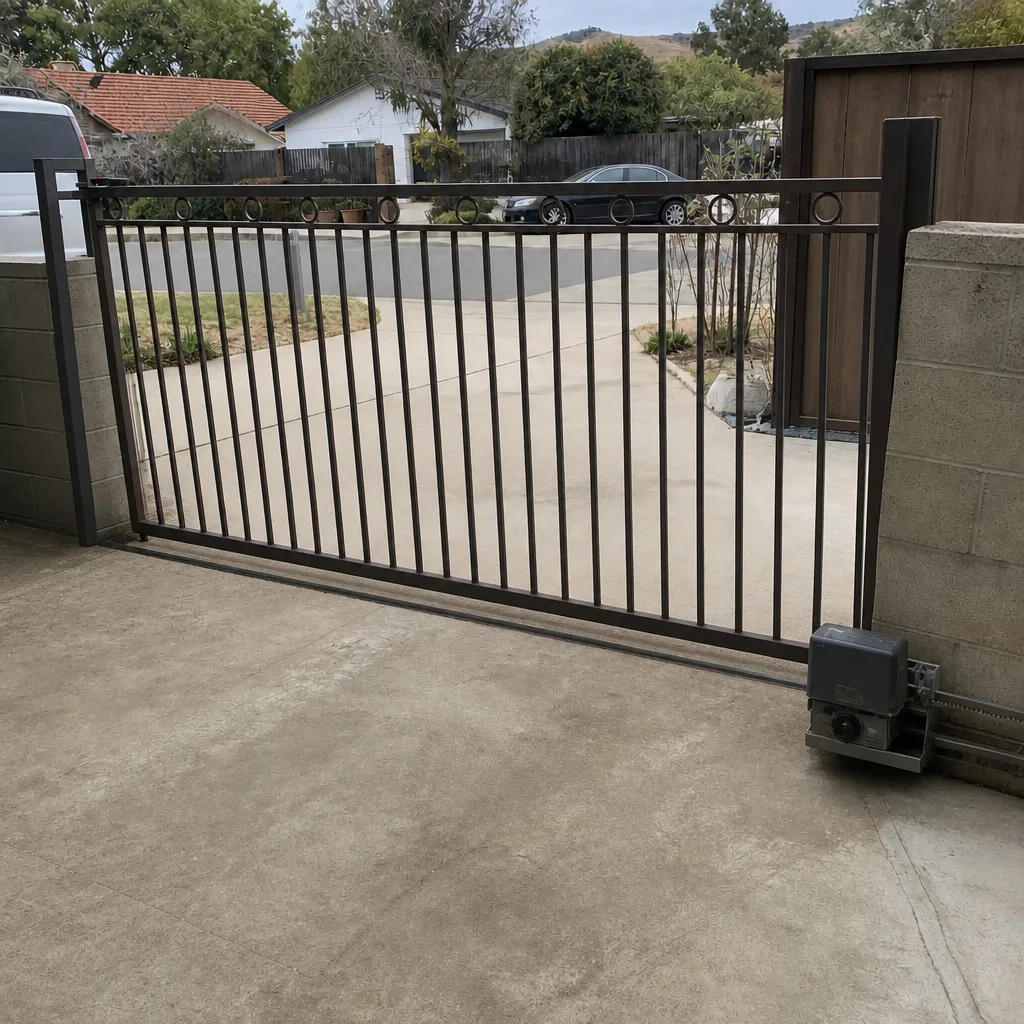
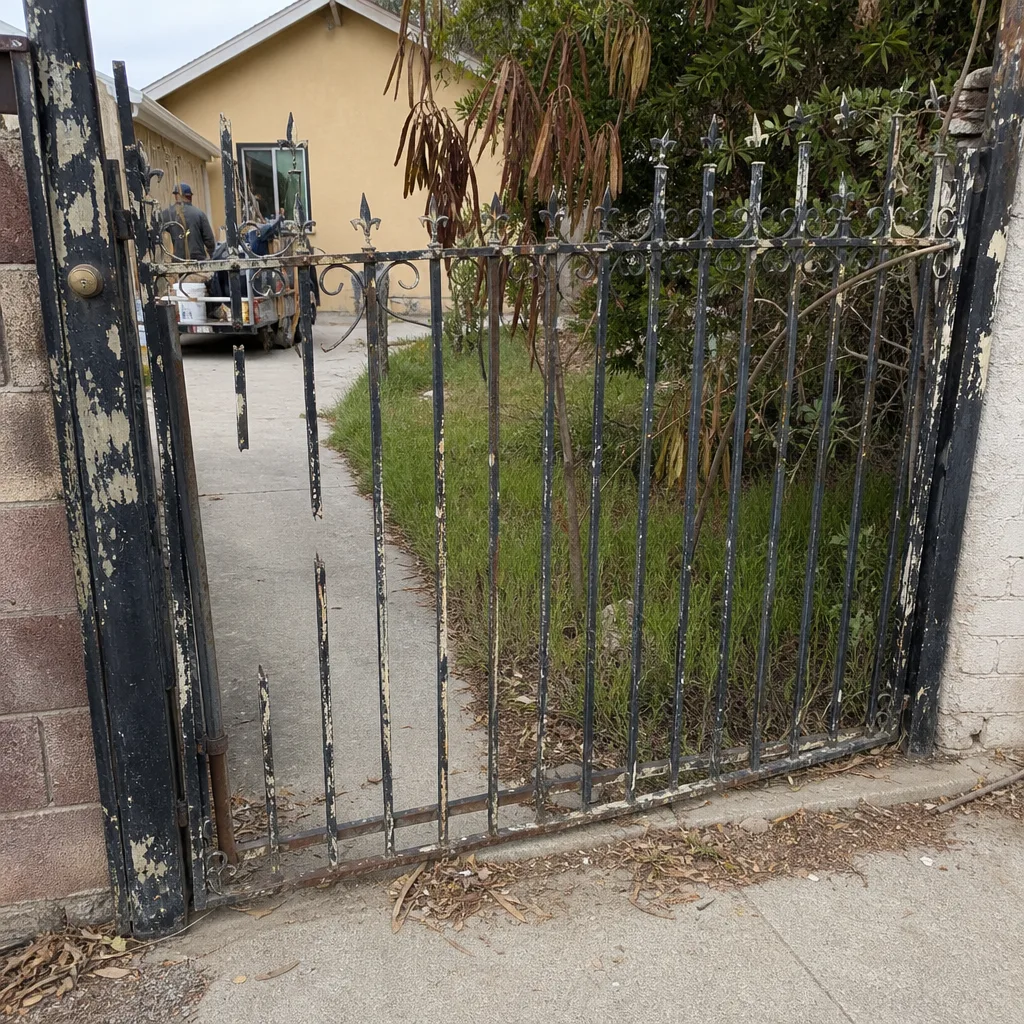
See the difference
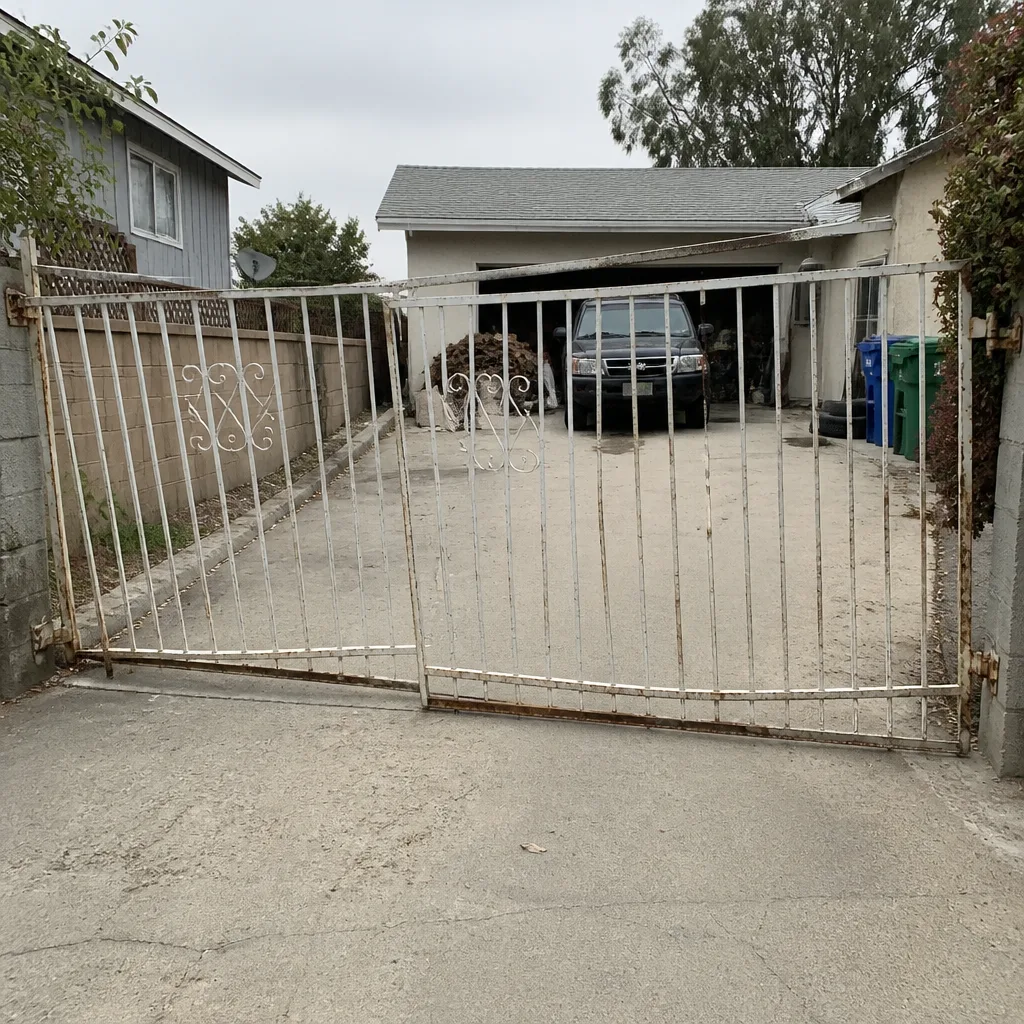 Before
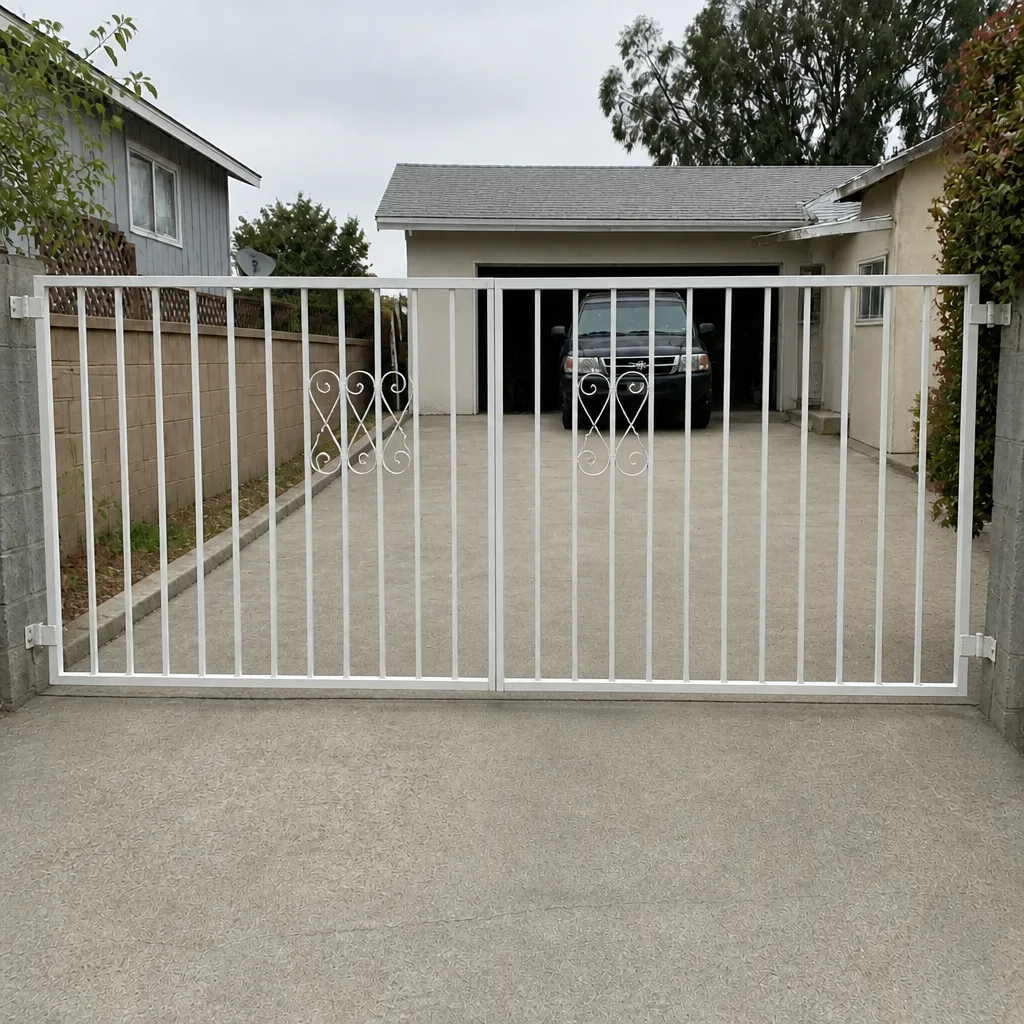 After
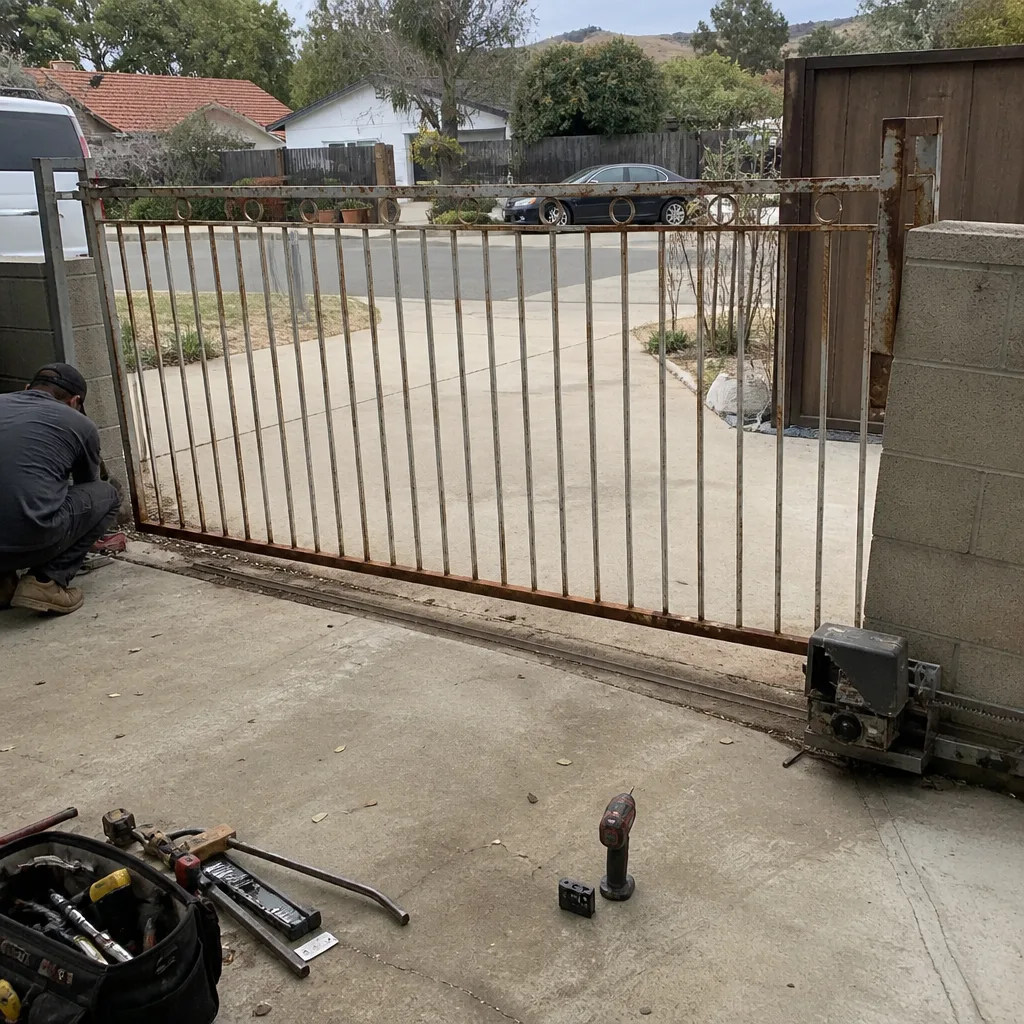 Before
 After
 Before
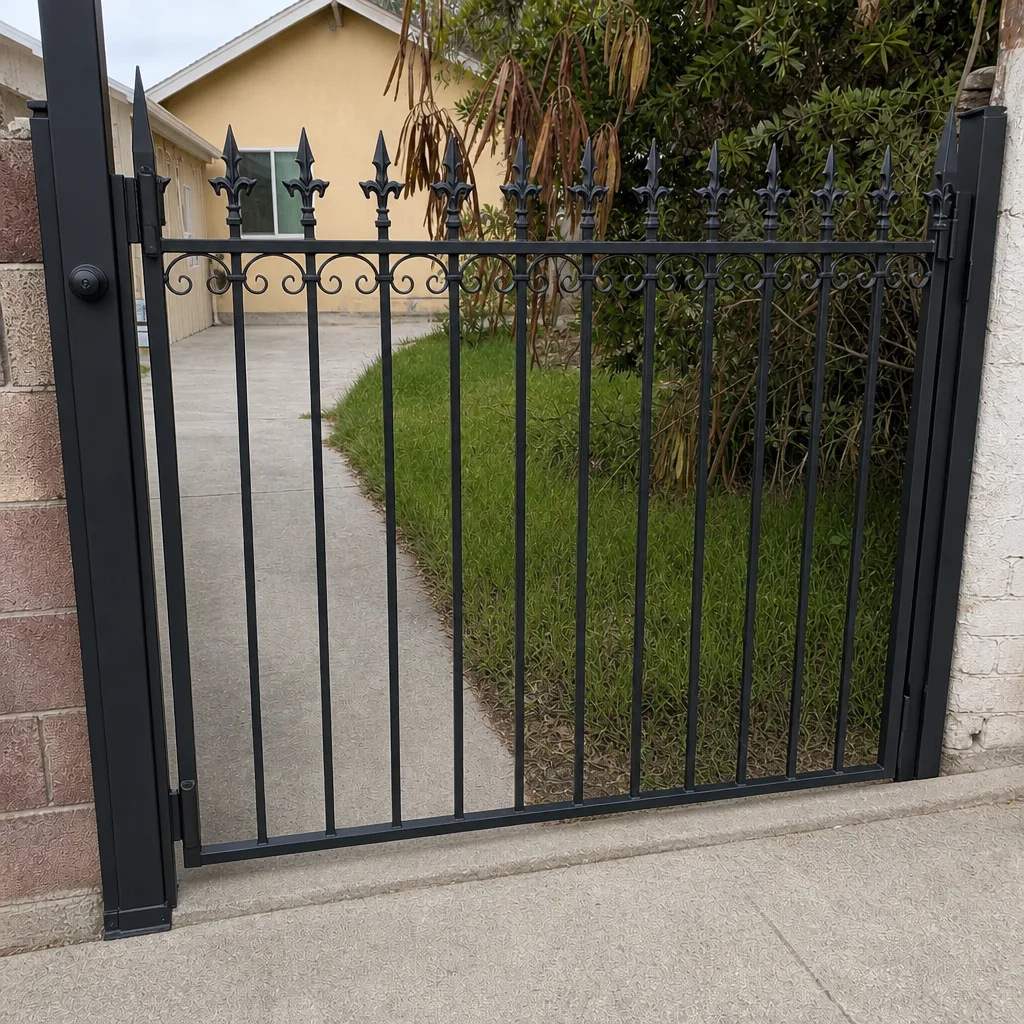 After
Frequently Asked Questions
The best brand is the one whose operator class matches your gate’s weight, travel, and daily cycles and whose parts are locally supported. A lightweight residential unit from Mighty Mule or Ghost Controls suits a low-traffic entry; a commercial-grade FAAC or BFT operator suits heavy use. Call (833) 361-4971 for an exact recommendation – estimates are free.
No. Popularity is a sales signal, not a service signal. A brand can move huge volume and still leave local technicians waiting on parts. Ask a local gate specialist which brands they can get parts for quickly before you buy. Call (833) 361-4971 to check brand support – estimates are free.
Ask a local gate technician whether they service the brand and how long common parts take to arrive. Confirm the model is still in production and that the control board is currently available. Do this before purchase. Call (833) 361-4971 for a quick answer on any of the nine brands we work on.
The difference is duty cycle and build. Residential operators are rated for lighter, intermittent use; commercial operators from brands like DoorKing, FAAC, and BFT are built for continuous, high-cycle workloads. Matching the class to your actual usage is the single biggest factor in operator life. Call (833) 361-4971 for help sizing the right class.
It depends on weight, traffic, and how far the gate is from the house. A light, low-traffic gate close to the house is often well served by manual hardware. A heavy or commercial gate benefits from automation. We handle both. Call (833) 361-4971 for a free estimate on either.
Yes, if you choose a gate specialist that covers the full arc, from Ventura electric gate repair through new installation. That means you don’t need a second company when you’re ready to upgrade. Call (833) 361-4971 to plan the repair now and the install when you’re ready.
The Bottom Line
The right gate operator brand in Ventura is the one matched to your gate’s weight, travel, and duty cycle, and backed by real local parts and service support. Brand loyalty ranks last. Verify service and parts availability before purchase, not after. We work on nine major brands, including LiftMaster, FAAC, BFT, and Mighty Mule, across residential and commercial systems. Our technicians have up to 8 years of experience, and every job gets a written estimate before work begins. Call (833) 361-4971 for a free estimate. We answer 24/7. Fast dispatch from 7am to 7pm, Sunday through Friday.
Written by the team at Ventura Gate Repair.